Bulgaria Travel Guide

Often overlooked by most travelers, you’ll find few crowds and plenty of affordable activities when you’re backpacking Bulgaria. I went with few expectations and was blown away by the country’s affordability, incredible history, mountainous landscapes, Black Sea beaches, and upbeat nightlife.

Bulgaria’s extensive history is evident everywhere, from mysterious Thracian tombs to ancient Neolithic settlements to fortresses left behind by powerful stars. And, if you’re a nature lover, there are seven mountain ranges throughout Bulgaria ! Everything about this country is a win. Bulgaria is amazing, and I can’t speak its praises enough !

Things To See And Do In Bulgaria

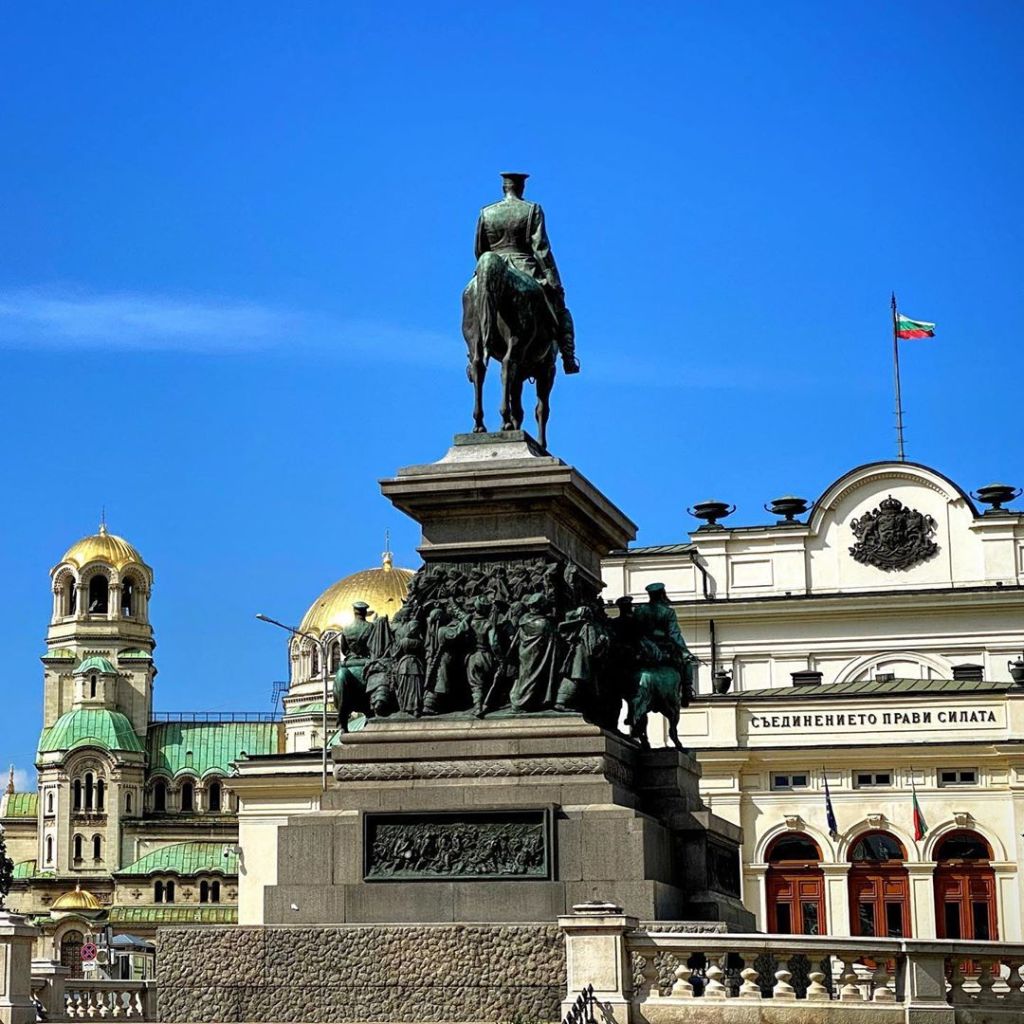
Visit Sofia : Sofia is Bulgaria’s dynamic capital city full of museums, churches, architecture, and trendy galleries, restaurants, and clubs. Don’t miss the Alexander Nevski Cathedral or the National Art Gallery.
Explore Plovdiv : Plovdiv is the second-largest city in Bulgaria and is the oldest continuously inhabited city in Europe. Be sure to visit the Roman Amphitheatre, see the Archaeological Museum, or relax in the Tsar Simeon Central Garden.

Visit Veliko Tarnovo : Once the capital of the Bulgarian Empire, Veliko Tarnovo is now a charming university town. Not much happens here. But I loved the cobblestone streets, the castle ruins, the little cafes, and the nearby mountain hikes.

Explore The Rila Mountains : The Rila Mountains are the highest mountain range in the Balkans, with Mount Musala towering to almost 10,000 feet. You can trek to the top or take on some of the less challenging hikes in the mountains. Other highlights around this area include the Seven Lakes Cirque, Ancient Rila Monastery and the Skakavitsa Waterfall.

Relax In Varna : Varna is a major tourist destination during the summer when its beaches fill up with visitors. I had a lot of fun wandering the streets, walking through the central park, and sitting by the beach.

Hit The Beaches On The Black Sea : This 250-mile stretch of Bulgarian coast lies along the Black Sea, and about a third of this is covered in pristine, sandy beaches. I suggest you avoid Sunny Beach unless you want to enjoy the nightlife (it’s to crowded to relax) and check out some of the quieter beaches instead, like Sinemorets Veleka Beach or Pomorie Beach.

Unwind In Balchik : Balchik is a small coastal town on the Black Sea. The area used to serve as the summer residence for Queen Marie of Romania. You can tour her palace on the seaside promenade and admire the blend of Islamic and Gothic architecture. There’s also a botanical garden of over 600 species of plants.

Hike At Emen Canyon : If you’re visiting Veliko Târnovo, head west to Emen Canyon. Carved out by the Negovanka River between tall limestone cliffs, the canyon is home to deep swimming creeks and picturesque waterfalls. A two-hour hike on the Negovanka Ecotrail will take you along 90-meter high bluffs leading to viewpoints over the canyon, topping it off with a visit to a 10-meter waterfall.

Bulgaria Travel Costs

Most hostel dorms in Bulgaria cost between 17-23 BGN per night for a four-six bed room. A dorm with eight beds or more will cost less than 17 BGN per night. Private single hostel rooms start from about 39 BGN per night, while a double private room starts from 44 BGN.

Nightly rates for a budget two-star hotel room with a private ensuite bathroom start at about 44 BGN. If you want to stay at one of the resort areas on the Black Sea, expect to pay double that amount during the summer months.

Airbnb is available across Bulgaria, with shared accommodations (like dorms) starting at about 21 BGN per night. A private room averages at about 56 BGN per night, while a full apartment or home averages about 119 BGN.

Wild camping is legal in Bulgaria, which means you’re allowed to pitch your tent just about anywhere for free except private property. There are also well-maintained campgrounds around the country, especially along the coast. Most tent sites for two people cost from 27 BGN per night.

Bulgaria Food Costs

Food is very affordable throughout Bulgaria. Local street food eats like banica (dough, cheese, and butter) or banitsa (a breakfast pastry) are as little as 1.50 BGN , or you can pick up a kebab for about 5 BGN. There are also plenty of places where you can buy a slice of pizza for 0.55 BGN or less.

Eating out at sit down restaurants is also pretty cheap. A meal at a mid-range restaurant shouldn’t cost more than 10 BGN. Even an entree at an upscale restaurant won’t cost more than 20 BGN. You can eat well here on a budget.

Grocery shopping is very cheap, costing about 35-44 BGN per week for bread, milk, meat, fruits, and other basics.

How To Get Around Bulgaria

Local transportation in Bulgaria is very affordable. Sofia has a subway with two lines connecting the city center and the airport, as well as the central bus and train stations. Tickets are 1.60 BGN each.

The public bus system is the most common mode of public transportation throughout the country. The fare is usually between 1-1.60 BGN. Trolleybuses and trams are also common in many cities and are generally about the same price as the public bus. Some cities, like Sofia, have a daily pass for about 3 BGN per day.

Taxis are readily available everywhere, with rates starting between 0.70-0.90 BGN and then an additional 0.70-0.80 BGN per kilometer. The fare may increase slightly during busy travel times (evenings and nights)

Bulgaria has lots of private and public minibuses and coaches to get you between the smaller towns and cities, as well as along the coast. We used this method of transportation to get to sunny beach.

Check the schedule on those company websites, or use Busbud to research routes. A bus from Sofia to Varna will cost 32 BGN and take seven hours, while Varna to Plovdiv is 25 BGN and also takes seven hours. A three-hour journey from Sofia to Veliko Tarnovo shouldn’t cost more than 20 BGN.

Train travel in Bulgaria is often cheaper than taking the bus, but a lot slower. For example, the same Sofia to Veliko Tarnovo journey costs just 16 BGN but takes five hours by train instead of three by bus.

Where To Stay In Bulgaria

Bulgaria has lots of great hostels and budget hotels. In the rural areas, it’s more common to come across small family-owned accommodations. Here are my suggested places to stay :

Hostel Mostel (Sofia) : This hostel is all about getting together for laid-back gatherings. Housed in a cosily renovated 19th-century building with an atmospheric wooden veranda and comfy seating areas inside. Food’s a pretty big deal here – get involved in the free all-you-can-eat breakfast every morning (waffles and local honey) as well as enjoying a veggie dinner in the evening (includes a beer for free).

Hostel Mostel (Veliko Tarnovo) : This hostel is the cheapest and most comfortable hostel in Veliko Tarnovo ! The only hostel in Veliko Tarnovo where you get a free all you can eat breakfast – 3 kinds of jam, salami, ham, cheese, tomatoes, bread, butter, sugar, milk, tea and coffee and more.

Hostel Mostel (Plovdiv) : This hostel is the cheapest and most comfortable hostel in Plovdiv ! The only hostel in Plovdiv where you get a free all you can eat breakfast.

Yo-Ho-Hostel (Varna) : Yo-Ho-Hostel is the most central place for accommodation in Varna ! Every young and alternative looking person in the city can tell you where Yo-Ho-Hostel is situated. Best recommended hostel in Varna from ‘Lonely Planet’ Guide Book 2008, 2009 ,2011 and 2015 ! The only hostel in Varna recommended from ‘Le Guide du Routard’ from 2008 till 2016 !

How To Stay Safe in Bulgaria :

Overall Bulgaria , is a very safe country. Scams and petty crime like pick-pocketing are the most common danger you’ll face when you’re traveling the country. A common scam is for taxi drivers to tell you that their meter is broken. I suggest for you to insist that you want a taxi with a working meter, or negotiate the cost upfront.

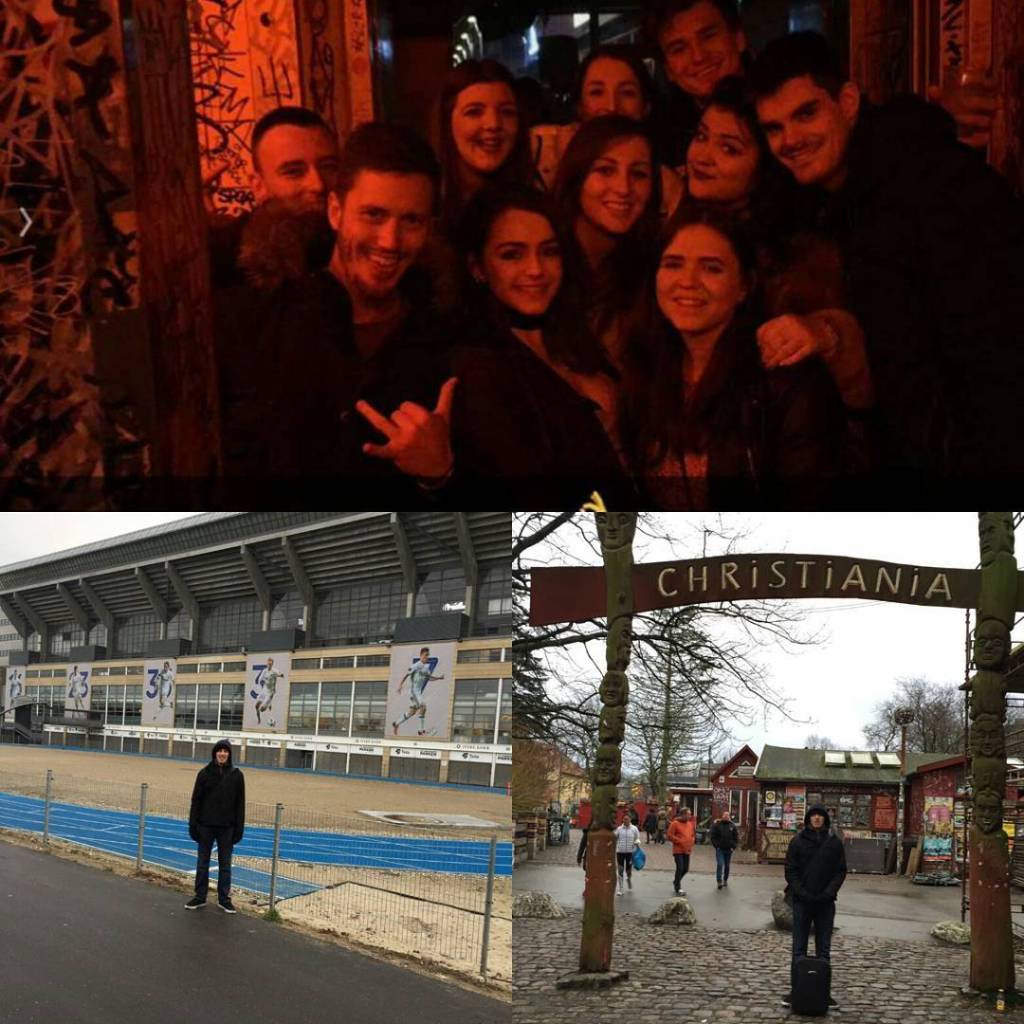
Denmark Travel Guide

Denmark is such an incredible country to explore, with its capital, Copenhagen being of no exception. It’s the kind of European city that has a little something for everyone. Its got history, culture, art, nightlife and a whopping amount of the best things to in Copenhagen that is literally all across this beautiful city.

Copenhagen

Copenhagen is a surprising city and I say that with love! It’s one of those cities that feels almost town-like in its appearance but with the buzz and vibrancy that matches any major capital city across Europe !

Everyone who has ever been will be able to tell you about their first time visiting Copenhagen. Whether due to its amazing castles, its stunning waterways or that little mermaid that everyone seemed to mention.

Take a look below at some of the best spots to include for a first-time visit to Copenhagen;

1. Eat at the best street food markets

There are a good few street food markets to visit in Copenhagen – each of which will ensure that you never run out of delicious opportunities to fill your tummy !

Head to Reffen that is the perfect place to visit as this is where locals and visitors alike start their evenings in the city.

Head to one of the many worldly and unique stalls that sell everything from juicy steaks and Japanese food to craft beers. Take a wander through the stalls and discover some of the high-quality products that this market offers – just be prepared for slightly higher than average grocery prices.

2. Tivoli Gardens 

No first-time visit to Copenhagen is complete without a trip to Tivoli – the greatest and quaintest theme park in all of Europe.

Said to be the inspiration behind Walt Disney World, Tivoli is a truly stunning inner-city park that’s filled with some impressive and historic rides.

Hop on board the Rutschebanen Rollercoaster, a 100-year-old wooden masterpiece that weaves in and out of a snow-capped mountain, right in the centre of Copenhagen.

3. Walk the spiralled walkway of Rundetårn

For a few Euros, you can grab yourself a really great view of the city that is situated on the top of Rundetårn.

Walk the spiralled and slightly dizzying reverse-style helter-skelter walkway to the top. There are no steps, just a constant and gentle incline until you reach the top.

4. Become royal for a day at Rosenborg Castle

There are lots of castles to explore in Denmark, with Rosenborg Castle in Copenhagen being a top favourite.

Head here to discover a truly stunning piece of Danish history and the ornate yet beautiful artistry of the castle which embodies Danish architectural prowess at its finest !

5. Pop in to see The Little Mermaid

A fleeting trip to see the Little Mermaid should be on every first-timer’s visit to Copenhagen.

Some people feel underwhelmed when visiting, but for lots of visitors, it is a photo opportunity of the city’s most famous landmarks, where you can spend 10 minutes or so viewing her statuesque pose.

6. Board a relaxing Boat Tour

There are many ways to see the city of Copenhagen, with its waterways being one of the best ! Board a boat near Nyhavn harbour area and discover a whole new perspective of Copenhagen.

7. Visit The Aquarium, Den Blå Planet

Den Blå Planet is one of the biggest aquariums in all of Europe. Housed in an impressive building, this aquarium is an education centre that teaches the importance of protecting our oceans and the animals that live within it.

8. Kayak the waterfront 

If you’re feeling a little more adventurous and fancy something with a more of a workout than a cruise of the harbour, hop on board your very own kayak.

Kayaks can be used within certain parts of the waterways in Copenhagen and is a really unique way to get around the city.

9. Enjoy the colourful houses at Nyhavn

Every picture you’ll ever find of Copenhagen will include these colourful houses. Take a wander around the area and enjoy some of the pretty little homes, cafes and shops that make up this part of town.

10. Thorvaldsen’s Museum

Bertel Thorvaldsen is arguably one of Denmark’s most famous artists from Copenhagen.

His craftsman skills were obtained from a rather long residency in Rome (some 40 years). When he returned, he brought a wealth of artefacts, beautiful art and stunning new artistic perspectives for the city to enjoy.

Nowadays, Thorvaldsen’s Museum is like stepping back in time to see some of the very best in classical architecture.

Switzerland Travel Guide

No matter where you look in Switzerland, you’ll be in amazed by its beauty. It has towering mountains that are covered in snow no matter what season, crystal-clear lakes, quaint little villages, crystal clear lakes, and rolling hills. Plus a whole lot of chocolate !

You could easily spend months exploring the country. Highlights include Lucerne, Bern, Zurich, Geneva, Grindelwald, Gruyeres and St. Moritz.

The best way to see this incredible country is by purchasing The Swiss Travel Pass which allows you to travel around by train !

Best Time To Visit

The best time to visit Switzerland is in April to June and September to October. You can enjoy fewer crowds, mild weather, and lower prices.

In fact, the mountain resort towns are almost completely dead. Tourists descend into Switzerland in the summer months to soak up the sunshine and wildflowers that are blooming in the countryside. The snow also typically thaws so you’ll have the chance to hike trails that are often covered. Most mountain resorts open up again but bookings will come at higher prices.

What To Expect

Language: There are four national languages in Switzerland, all found in specific regions of the country. The most widely spoken language is Swiss German, spoken by over 60% of the population. In the western part of the country, Swiss French is spoken, and in the southern part of the country, Swiss Italian is spoken. The smallest national language is Romansh.

Currency: The official currency of Switzerland is the Swiss Franc (CHF). 1 GBP is equivalent to 1.19 CHF. Many shops, hotels, and train stations will also accept euros.

Plugs: The power plugs in Switzerland are type J, the standard voltage is 230 V, and the standard frequency is 50 Hz.  

Safety: Switzerland is in the top 10 of the safest countries in the world. Violent crime is rare but petty crime such as pickpocketing and theft of vehicles does occasionally happen.

Geneva

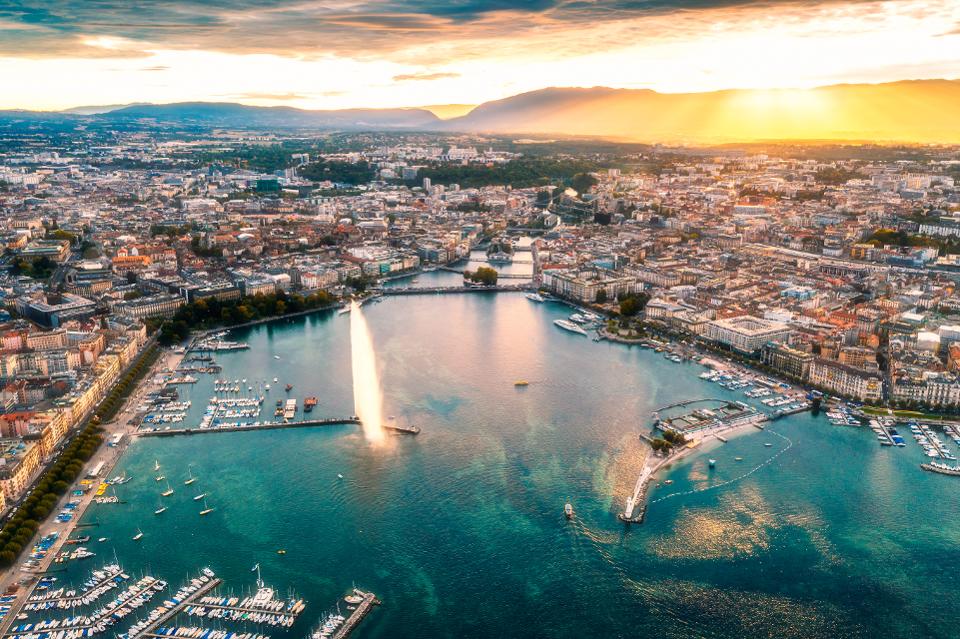
With endless amounts of chocolate, an incredibly rich history, and one of the most beautiful mountain ranges in the world, Geneva is the perfect place to begin your adventure in Switzerland. While there’s so much to see and do when visiting, there are a few highlights that are must-see’s.

Getting to Geneva

The easiest way to get from Geneva Airport into the city is with the train. You can pick up your free ticket from the baggage reclaim hall and avoid the expensive taxi fare.

The train departs the airport every 10-20 minutes, and the journey takes six minutes to reach the Genève-Cornavin station in Geneva’s city center. Once you arrive, you can catch a local bus or the tram to your accommodation.

Getting Around Geneva

One of the best ways to get around in Geneva is with a bicycle. You can get four hours of free rental with Genève Roule between April and October.

Another option is to use your free Geneva Transport Card to explore the city. Every visitor to the city receives it upon check-in at their hotel or hostel. It’s valid for the entire duration of your stay and includes the city’s buses, tramways, boats, and trains.

If you’re passing through Geneva, you can also buy a one-day pass for the city’s public transportation system at any station or Tourist Information Desk.

Where to Stay in Geneva

Hotel Les Arcades

If you’re traveling to Geneva on a budget, Hotel Les Arcades is an excellent option. It’s only a 20-minute walk from the city center and has all the basics you’ll need.

Tiffany Hotel

Located in Geneva’s art district, the Tiffany Hotel is just a 10-minute walk to Lake Geneva. It’s the perfect choice if you’re looking for a boutique hotel that’s close enough to attractions and anything else you might need.

Mandarin Oriental Geneva

Situated right on the Rhone River, it’s only 5-minutes away from Old Town and the cultural and touristic districts. The 189 modern rooms feature plenty of art and some beautiful views of the river. There’s also an on-site Michelin star Indian restaurant !

Where To Eat In Geneva

Breakfast at Cafe Restaurant du Parc Des Bastions

The late 19th-century pavilion offers some of the best breakfast in the city and is the perfect spot to kick off your short time in Geneva. There is a great indoor seating area or a beautiful outdoor terrace if you’re looking to soak up some sun.

Have a Picnic

If you want to cut down on costs while in Geneva, you can opt for a picnic by Bains des Paquis. Head to Migros, a local grocery store, and stock up on all your favorites. Make sure you grab some local chocolate and cheese !

Get Fondue at Cafe du Soleil

Don’t miss out on trying from fondue in Geneva. I went to Cafe du Soleil for an afternoon snack and I highly recommend it !

What To Do In Geneva

Tour the Palais Des Nations

Head over to the Palace of Nations which houses the United Nations Office. The best way to see it is to take a guided tour. Proof of identity is needed for the tour so bring your passport !

Explore Bains des Paquis

Bains is an artificial peninsula that’s surrounded by a beach. It’s the perfect spot to spend the afternoon, and the entrance fee is only CHF 50.

You’ll get access to the saunas, the La Bouvette des Bains restaurant, the beach and you can book a massage for CHF 60. It’s also one of the best places in Geneva to grab a cocktail and watch the sunset !

Explore the Carouge Neighborhood

Carouge is considered Geneva’s bohemian neighborhood. You’ll find lots of beautiful restaurants, bars, and cafes, making it the perfect place to wind down after a day at the lake.

Explore Old Town

Head to Old Town Geneva for the morning. It offers everything from a stunning cathedral to a number of unusual art galleries. Some of my favorite highlights include Cathedral St. Pierre and La Place du Bourg-de-Four.

Fish on Lake Geneva

No trip to Geneva would be complete without spending a few hours exploring Lake Geneva. You can go kayaking or buy a fishing permit for only 10 CHF.

Czech Republic Travel Guide

Evolving into one of Europe’s most popular travel destinations, the Czech Republic is full of charming countryside, amazing castles, and beautifully diverse architecture with a long fascinating history. Add this with local beers which are ridiculously cheap and delicious food, it’s really no surprise why many people flock to this beautiful country.

Prague

This historical city is home to some of the most unique landmarks, plus it is a very inexpensive city to travel, which makes it the perfect place to visit if you are on a budget ! Prague is very easy to see in a short amount of time, if you are in Europe and want a quick, cheap weekend getaway, this is a great choice.

Getting to Prague

You can easily get to Prague by train. I’d recommend looking into the Eurail pass if you are doing a lot of travel through Europe and want to save some money. This pass gives you unlimited train travel for the amount of time and European countries you choose.

You can also fly into the Prague International Airport. The cheaper airlines in Europe are RyanAir, EasyJet, and Transavia.

Once you’re there, public transportation is very easy to use, and you can get around most of the city by the tram, which is free. Sometimes taxis can take advantage of foreigners and charge higher prices, so i suggest to use Uber.

Where To Stay In Prague

Sophie’s Hostel: This trendy boutique hostel is the perfect hideaway from the bustle of the city. Rooms include private apartments, single rooms, and dorms for up to five people. Most of the rooms come with private bathrooms and a fully operating kitchen. Also offers breakfast at its small café. Just a tram ride away from the city center, this hostel is a great budget choice in Prague.

Post Hostel: Situated right outside the city center, this place includes many extra necessities for free. The hostel is modern, bright, and very comfortable. Make use of the open kitchen, 24-7 free coffee and tea, and games in the lounge.

Hostel One Home: With a great downtown location, this hostel is the place to be if you’re looking to connect with other travelers. Every night you can enjoy a free family-style dinner and hangout in the common rooms.

Prague1918 Apartments: If you want something a little more private but still reasonably priced, this is a great choice. The simple apartments can fit up to six people, and each unit has a private bathroom.

St. Christopher’s Inn Prague: If you’re looking to be social and experience Prague’s famous nightlife, this is the place to stay. Housed in a restored nineteenth-century building, this budget accommodation has a variety of custom-designed dorms and private suites. Head down to the Basement Bar in the brick cellar for a great place to start your night.

Hotel Klaret: Buffet breakfast, everyday cleaning, and fresh towels are all included with your stay at Hotel Klaret. A short metro ride to the city center, this budget hotel offers single, double, triple, and family rooms for a low price.

What to Eat in Prague

Prague is traditionally known for fruit dumplings, potato soup, roast pork, and goulash. This city also boasts great beer and delicious sweet delicacies, like the traditional pastry trdelnik.

Cafefin: This Asian fusion café has great breakfast options and is known for its special latté art.

Koala: Goulash is one of the main dishes of Prague, and this is the best place to try it out. For a very low price, you can try the traditional beef stew with homemade bread dumplings and wash it down with a local beer.

Good Food Coffee and Bakery: Down the street from the Charles Bridge, this bakery stands out among the rest. As you walk through downtown Prague, you will see trdelnik being sold everywhere.

Pernickuv Sen: Walk in the door to this little pastry shop and you will be overtaken with the sweet smell of freshly baked gingerbread. Choose from different shapes and sizes, and be sure to grab a packaged one to take back to your accommodation.

What to Do in Prague

Prague is a fairly small city, so it’s very easy to get around and see everything you want to see in one day. Plan out your main activities and fill the rest of your time wandering this beautiful city.

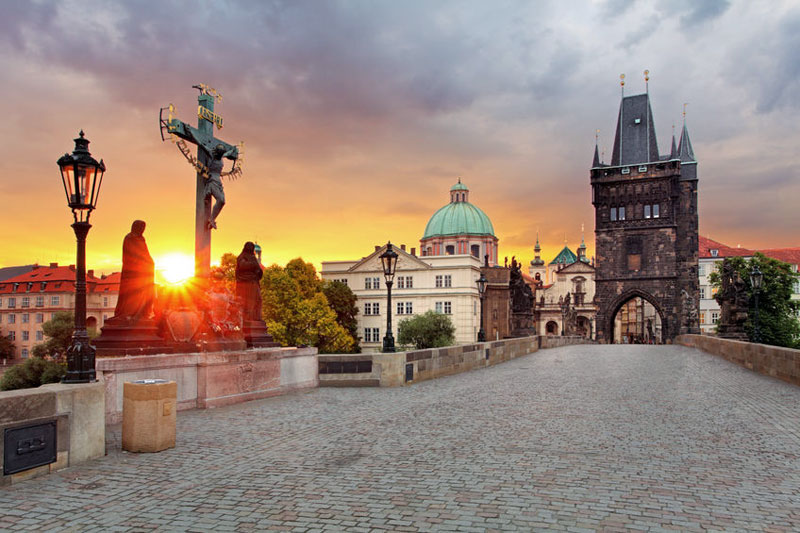
Charles Bridge: This historical bridge dates back to the fourteenth century and crosses over the Vltava River. It is one of the main sights to see in Prague and offers a great view of the old city. Take a walk across and enjoy the musicians, and local entertainment.

Prague Castle: This medieval castle towers above the city and is a beautiful landmark of Prague. You can head up to explore the outside or take a tour of the inside.

Old Town Hall and Astronomical Clock: Recently, this landmark has been under construction, but it is still viewable from one side. On the hour, you can see the animation that takes place as the clock face changes.

Letna Beer Garden: Located in Letná Park along the Vltava River, this prime spot overlooks the city. Take a seat at one of the picnic tables, and sip on some beer on tap.

John Lennon Wall: In the 1980s, teenagers gathered at this wall to express their frustration with the war and government in the form of graffiti. Since then, it has turned into an explosion of art with symbols of peace, love, and, of course, the Beatles.

Hit The Town: Prague is home to many different-themed bars and pubs from fancy rooftop bars (Cloud 9 Sky Bar & Lounge) to Irish pubs (The Dubliner). Also, Consider going on the Prague Pub Crawl. This happens every night, and for 22 euros, you get drinks and entrance to multiple bars and clubs. Covers can be up to 15 euros for one club. So if you’re on a budget, this is well worth it. Not only is it a great deal, but it is a great way to meet new people.

Romania Travel Guide

In 1897, a gothic horror novel was published by Irish novelist Bram Stoker. It told the story of a vampire named Count Dracula and his attempt to move from Transylvania to England in search of new blood.

Although Dracula is a work of fiction, it does contain historical references. The most prominent being the connections between the fictional character and the Transylvanian-born Vlad III Dracula of Wallachia. Romania might be known as the birthplace of Count Dracula, but among its citizens, it is known for so much more.

Bucharest

Bucharest is the capital of Romania and its largest city with a population of more than 2 million. The city is one of the main attraction points of Southern Europe in terms of culture, entertainment, commerce and tourism. Its location has a good mixture of various cultures. The city is located 80 kilometers north of Bulgaria.

Best Time to Visit Bucharest

The city has a humid continental climate. Summers are humid and hot, while winters are mostly windy and snowy so it can get very cold. The average air temperature in summer is 23 °C. The coldest month is January and the warmest is July. I suggest to visit Bucharest during early Autumn or early Spring for best weather.

What To Expect

Language: The official language of Romania is Romanian.

Currency: The official currency of Romania is Romanian leu. The exchange rate is 1 GBP to 5.39 LEU.

Plugs: In Romania, the power plugs are type E, the standard voltage is 230 V, and the standard frequency is 50Hz.

Safety: Overall, Romania is a safe country to visit. Petty crime does exist though so don’t carry too much cash and keep an eye on your bags.

Getting To Bucharest

Bucharest is the most popular destination in Romania and welcomes many visitors all around the world. Henri Coandă International Airport is the most used airport in Bucharest and located 16 kilometers north of the city center. The airport is also known as the Otopeni Airport. You can use the train, the bus or the taxi service at the airport to get to the city center.

Express 783 is the bus line that connects the airport to the city center while making stops in tourism destinations such as Piata Romana and Piata Victoriei. The bus is located in front of the Arrivals and Departures Terminal. It is available 24/7 with roughly every 20 minutes and costs 3,5 lei for one trip.

The train is another option for you. You can get the ticket that includes 2 kilometers ride with the shuttle bus to the train station and also the train fare. The service is available every hour between 5.15 am and 8.20 pm.

Where To Stay In Bucharest

The city has lots of different types of accommodation. From luxury hotels to backpacker hostels, the options are all pretty good.

What To Eat In Bucharest

There’s something for every one in Bucharest, and it’s the place to try anything from street food and local soups to the most bizarre Romanian dishes like fried brain and tongue.

Make sure to try these food while you’re there:

  • Mititei: Casa Doina
  • Ciorbă de burtă: La Mama
  • Divan: Papanasi, Carnati

What To Do In Bucharest

Palatul Parlamentului (Palace of Parliament)

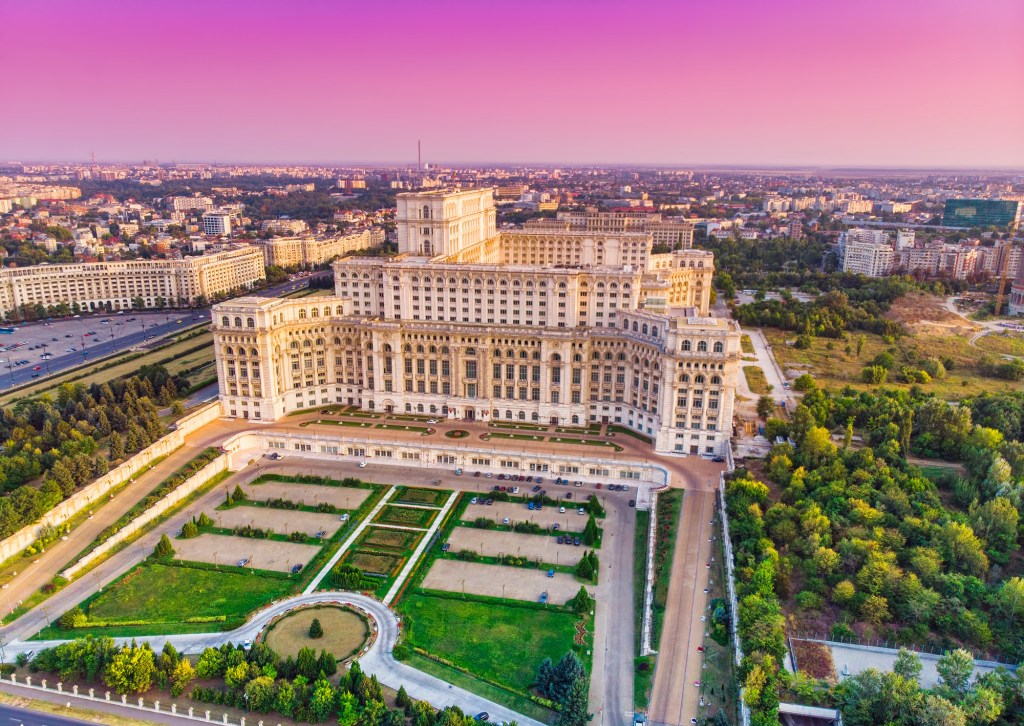
The iconic symbol of Bucharest is The Palace of Parliament. It is a huge palace that was built in communist rule and is the largest parliament building in the world. There are public tours every 30 minutes. The palace is located in the center of Bucharest.

Old Town

Old Town is filled with buildings from the 17th century and offers many sights for its visitors. You can walk into museums, traditional cafes and stores during the day,. At night, Old Town transforms into a huge party neighborhood.

National Museum of Contemporary Art

The National Art Museum is a landmark worth visiting, especially if you’re interested in art. The museum currently exhibits over 100,000 works from local Romanian and International world-renowned artists like Monet, Rembrandt, Renoir and Cezanne.

The museum is located in the Palace of Parliament and is the main center of art in Romania. National Museum of Contemporary Art always has something intriguing for its visitors.

Arcul de Triumf (Triumphal Arch)

Arcul de Triumf in Bucharest symbolizes the independence of Romania in 1918. It’s a little smaller than the one in Paris, but Bucharest has its own Triumphal Arch. This version was inaugurated in 1922 to celebrate the victory of Romania in World War I, and today it’s one of the most notable landmarks of the capital. It is located near the Lacul Herastrau and shines with its stunning architecture.

Free Walking Tour

The walking tour Bucharest by locals is a brilliant way to be acquainted with a new town. I love to wander around and get lost on my own, but you get to see so much more when you’re with a local.

Bucharest Parks

The city has many parks where locals come to relax and hang out. The biggest park is Herăstrău Park, which is built around a lake. Other parks include the botanical garden and Carol Park, which has a mausoleum and monument in honour of fallen soldiers.

Ateneul Roman

Ateneul Roman is one of the lovely examples of modern Romanian architecture. It was built in the beginning of the 20th century with public funding. The place serves as a concert hall.

Belgium Travel Guide

Belgium is a travel destination made for history buffs and chocolate addicts. Though the nation is small, it plays a big part in the world’s history.

There are over 3,000 castles to explore, battlegrounds from the World Wars, and every museum imaginable. If you’ve had your history fill, you can kick your feet back and relax at one of the 1,000 breweries in the small country where you can sip on a cold beer while you munch on frites.

Many people tend to gloss over the country, visiting Brussels or Bruges for a day before moving on but if you take the time, you’ll find that Belgium has so much more to explore !

Best Time To Visit

The biggest thing to take into consideration when planning a trip to Belgium is the weather. During the winter months (November to March), it can get rather chilly. The canals will freeze over, forming ice skating rinks. If you’re a fan of the winter, it’s a great time to enjoy skiing and Belgium’s Christmas markets.

Spring and fall are arguably some of the best times to visit Belgium. The temperatures are enjoyable, and there tend to be fewer tourists. During the fall, the countryside is painted with hues of red, orange, and yellow. There are also a few festivals to look into during these seasons (particularly the Jazz Marathon and Ghent Film Festival).

Summer in Belgium means warmer weather and larger crowds. If you want cheaper accommodation and flights, make sure to book in advance !

What To Expect

Language: The country of Belgium has three official languages, Flemish (Dutch), French, and German. You’ll often see signs in both French and Flemish.

Currency: The official currency of Belgium is the Euro (EUR). The exchange rate is 1 GBP is equivalent to 1.12 EUR.

Plugs: In Belgium, the power plugs are type E, the standard voltage is 230 V, and the standard frequency is 50 Hz.

Safety: Overall, Belgium is a safe country to visit. Petty crime does exist though so don’t carry too much cash and keep an eye on your bags.

Brussels

Brussels is the beautiful capital city of Belgium. It’s also the capital of comic books, beer, waffles, fries and of course chocolate !

Brussels is a relatively small city, so it’s very possible to see it all in one day. Here’s what i learnt in the 24 hours i spent in Brussels :

Getting to Brussels

If you are already in Europe, getting to Brussels by train is easy. Otherwise, the two closest airports are Brussels Airport or Brussels South Charleroi Airport.

From South Charleroi you can take a shuttle bus, which will take you right to the city center train station and takes a little over an hour. There are also other bus and metro options to get from the airport to the city center.

Where to Stay in Brussels

The city has lots of different types of accommodation. From budget to luxury, the options are all pretty good.

AirBNB: There are a ton of AirBNBs to rent throughout the city. Airbnb is a great option if you’re traveling with a group or want to stay somewhere quiet. We stayed at this lovely ladies house, she offered us great directions and recommendations for our short time in the city.

Meininger Hostel: This is a great budget option in a good location right on the edge of the city. Meininger is an easy ten-minute walk or five-minute tram ride to the city center. The hostel offers different room options ranging from shared mixed dorms to private rooms.

Novotel: Simply designed and great for families, Novotel is a comfortable place to lay your head during your stay in Brussels.

Hotel Sofitel Brussels: Treat yourself to a luxurious stay at the five-star Hotel Sofitel. Here you will experience French contemporary design and top-notch service.

NH Brussels Louise: This midrange hotel is a refreshingly modern and contemporary place to stay. NH has all the necessities and is about a twenty-minute walk from the Grand Palace.

Where to Eat in Brussels

Chocolate, waffles, fries, and beer…the four main food groups of Brussels ! You can find these all over the city, but here are some of the most popular :

Peck 47: A cozy café with delicious sweet and savory options for brunch. Peck 47 is most known for its savory waffles and steaming hot lattes.

Chez Leon: This family-owned restaurant opened in 1893 and is the gem of Brussels. For under fifteen euro, you can try the best of traditional Brussels cuisine.

Café Delirium: When it comes to a night out, Cafe Delirium is the place to be. This multilevel, multi-building bar offers more than three thousand beers.

Fries: You can’t go to Belgium without getting some frites ! The best places to find them are from the stands on the streets.

Chocolate: What’s the first thing that comes to mind when you think of Belgium ? Chocolate! In Brussels, there is a chocolate shop on every corner. Any of them is a good choice, but there are some that stand out. –

Mary Chocolatier has a huge selection of delicious chocolates. Check out the Neuhaus Chocolate shop in the Galeries Royales where the workers will gladly help you pick out the best Chocolate. For something more hands-on, try Le Comptoir de Mathilde where you can self-serve up a bag of goodies.

Maison Dandoy: Speculoos is a type of cinnamon gingerbread cookie, and it is a lesser known Belgian delicacy. The best come from the bakery Maison Dandoy.

Glacier Pascalino: Belgian waffles are the real deal. The traditional way to eat them is plain, but if you feel like getting fancy, you can choose from a variety of toppings. The best waffles in Brussels come from a little yellow truck that drives around the city called Glacier Pascalino.

What to Do in Brussels

Even if you have no plans and you just wander around the city, you are bound to come across some of the main highlights.

See the Statues: Hidden throughout the city are some iconic little statues that you have to see to believe. There are three in total, and they have something special in common; Mannekin Pis and Jeanneke-Pis. You will undoubtedly pass both of these as you walk around the city, but be sure to keep your eyes open or you might miss one.

Chocolate Tour: The best part about visiting Brussels is being able to constantly eat chocolate. Design your own, or go with a guided tour to visit some of the best spots for a cocoa treat.

Gorge on Waffles: Possibly one of my favourite things to do in Brussels! After all, you can’t go all the way to Brussels without having some of their famous waffles.

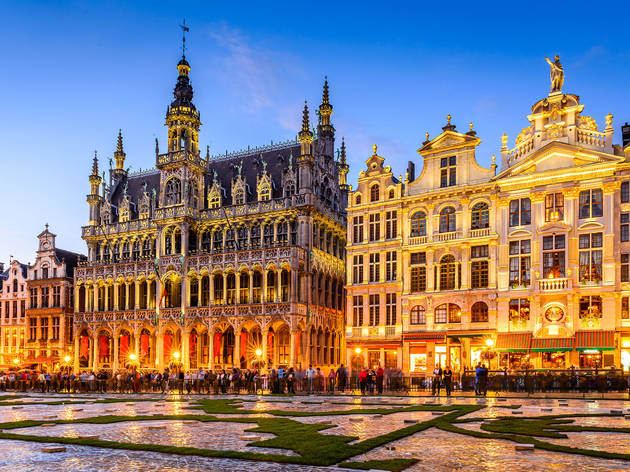
Grand Place: It doesn’t matter how many times you visit Grand Place, it’s an area that is always so beautiful to visit. Dating back almost 300 years, Grand Place is too amazing to miss. Don’t forget to visit the Brussels City Museum and the Town Hall that are both perched on the square.

Atomium: Built in the 1950’s, the Atomium is outside the city centre but a great spot to see something a little different. Over 100 metres tall, it’s a great place to see some views of the city.

Comic Strip Walls: Brussels is the birthplace of iconic comics like the Smurfs and Tintin. In honor of these and many others, you will find comic strip murals all over the city. Start at the Comic Book Centre, and make your way around the comic book route to try to catch them all.

Cinquantenaire &  Triumphal Arch: If you’re looking for a walk outside of the cobbled streets of central Brussels, then pop over to Cinquantenaire and see the Triumphal Arch. Wander around the Belliard Tunnel, pop into the Art and History Museums and take a wander to the Great Mosque of Brussels.

Galeries Royales Saint-Hubert: Walk through this beautiful hall of luxury shops for the ultimate window shopping experience. The Galleries are also home to a few of the best chocolate shops that are definitely worth the visit.

Netherlands Travel Guide

A wonderland full of museums, quirky hotels, a buzzing food scene, photogenic spots at every corner, hipster coffee shops, and historical sites, the Netherlands is a country full of gems of all kinds. While its most well-known city is Amsterdam, there are plenty of other beautiful cities that should be explored.

Take a boat down Amsterdam’s canals, witness the largest flower parade in the world in Zundert, surf at Scheveningen Beach in Den Haag, or visit an authentic cheese market in Woerden. No matter where you choose to go, there are many different experiences for you to enjoy.

Best Time To Visit

Peak season in the Netherlands is from April to August and mid-December to early January. In the spring, tulips are blooming everywhere, and summer brings an vibrant outdoor cafe scene.

Popular attractions like the Anne Frank House and the Van Gogh Museum have lines wrapped around, and hotels are harder to find. The Christmas season brings markets, ice skating, and parades.

January to March and September to end of November can be cold and gray with a lot of rain. But this means lighter crowds and cheaper rates. This is one of the best times to visit the Anne Frank House and other popular tourist sites.

What To Expect

Language: The official language of the Netherlands is Dutch.

Currency: The currency of the Netherlands is the Euro (EUR). 1 USD is equivalent to 0.88 EUR.

Plugs: In the Netherlands, the power plugs are type C and F, the standard voltage is 230 V, and the standard frequency is 50 Hz.

Safety: The Netherlands is a very safe country and crime rates are very low compared to other parts of Europe. In fact, it’s ranked as the 16th safest country in the world. Your overall risk, for even the smallest stuff like pickpocketing, is low !

Stopovers: Many travelers have layovers and stopovers in Amsterdam when connecting to other European destinations. It’s just a 15-minute train ride from the Schiphol Airport to Amsterdam’s Central Station.

Amsterdam

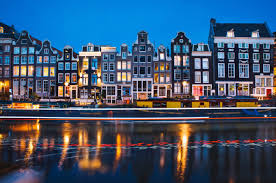
Amsterdam is the capital of the Netherlands, and one of the most popular tourist destinations in all of Europe. The city is well-known for its past, the elaborate canal system and the architecture of their iconic, narrow houses. Amsterdam offers way more than just cheap thrills ! You can wander the sidewalks and explore the Old Centre, Red Light, Dam Square, and Museum districts.

Getting Around in Amsterdam

Amsterdam has impressive public transportation and offers travelers bicycles, metros, buses, ferries and trains to help you get around the city and beyond. Getting around Amsterdam is also very cheap, just a Euro or two per ride, so you have plenty of options !

Bicycle: Most locals use bikes to get around. There are a lot of bicycles, so be prepared for lots of bike traffic, but you can easily rent one for your time there.

Walking: Most places you’ll want to visit in Amsterdam are relatively close together. Obviously a bus or metro will get you around much quicker though.

Public Transport: You’ll find that getting around quickest can take a combination of bus, metro and tram rides. Luckily, you can pick up a daily transportation passes, available for 1 to 7 days, with prices starting from €7.50 Euros, and are valid for use on all three types of transport. This is definitely your best best if you’re in the city for a few days.

Where To Stay

Banks Mansion

The Banks Mansion is an all-inclusive hotel that offers a great location (right on a canal), with breakfast, 24-hour complimentary drinks and snacks, and stunning, old world charm and design.

The Dylan Amsterdam

The Dylan is a charming and luxurious boutique hotel in Amsterdam. Situated slightly west of city center, it’s in a stunning location, and offers fantastic staff, gorgeous rooms, and great food.

BackStage Hotel Amsterdam

The BackStage Hotel Amsterdam is a music concept budget hotel right in the city center. They have a full bar, complimentary Wi-Fi and a funky, modern design!

Hotel Hermitage Amsterdam

The Hotel Hermitage Amsterdam offers 22 modern designed rooms and overlooks both a beautiful garden or a canal! The building was originally a 18th-century canal house, so it feels like a true Amsterdam experience. They also offer a daily continental breakfast, and if you’re traveling with friends, they offer rooms with multiple beds.

Flying Pig Downtown Hostel

The Flying Pig offers dorm and private rooms, plus free Wi-Fi, a kitchen, and a bar. Prices start at €49 per night. The vibe and atmosphere is awesome. There’s also a second location near the Vondelpark. I stayed at this hostel when i took my younger brother to Amsterdam for his birthday. They offer a daily continental breakfast, and if you’re traveling alone this is a great place to meet new peeople and to follow the crowd on a bar crawl.

Where To Eat

De Kas

De Kas is one of my favorite, and most unique restaurants, in Amsterdam. The restaurant is located in a set of greenhouses which date back to the 1920s and used to belong to the Amsterdam Municipal Nursery. Food is prepared with the freshest local ingredients and they grow their own herbs and vegetables. It would be rude not to return to this restaurant on my next visit.

Rob Wigboldus Vishandel

This gem is a small spot with just a few tables, and just a 5-minute walk from Dam square. It’s old-school offering traditional Dutch fish sandwiches—perfect for a quick bite or easy lunch! Plus, a meal will only set you back about €3.

Restaurant Vlaming

This is a cozy restaurant, located in the Joordan district, offering a modern twist on a Netherlands-inspired menu. If you want a local experience, this is the place to go. Reservations are recommended!

PIQNIQ

At PIQNIQ you’ll find a variety of small dishes, yummy bites, and the charm of old Amsterdam. This spot is great for hanging out and people watching!

Cafe de Dam, Louis Bar (Pub)

The cutest little pub you can find in Amsterdam! It has an old-fashioned feel, with a bit of quirk, and offers great music and cold drinks for cheap !

What To Do

iAMSTERDAM Sign

This famous landmark sits right in the center of the city. It is typically crowded with tourists, but it’s a great stop for the view and a picture.

Canal Cruise

Get a feel for the history and layout of Amsterdam’s canals by boat. Take a tour of the canals, and travel through the canals of the city.

Coffee Houses & The Red Light District

This side of Amsterdam has transformed into an art and coffee shop scene, although prostitution is still legal. While it isn’t exactly my thing, that’s not to say your shouldn’t at least see what it’s all about.

Anne Frank House

This is where Anne Frank was hidden during World War II, and it is one of the most iconic places to visit in Amsterdam. Taking this tour is a very deep and moving experience. You have to purchase tickets far in advance as tours fill up very fast.

Heineken Experience

The Heineken Experience tour lasts nearly 2 hours with tons of activities, two free beers, plus a free souvenir. Be sure to buy your ticket online before you go to skip the line !

Museums

Amsterdam is a town of art. There are many famous artists that have come out of Amsterdam including Rembrandt, Vermeer, and Van Gough. You can see their pieces in some of the museums, such as the Rijksmuseum, Van Gough Museum, or Hermitage Museum. If you are more of a modern art lover, check out the Moco Museum.

Albert Cuyp Market

It’s the largest market in all of The Netherlands and has been around since 1905. Come hungry and try some local cheeses and dutch Stroopwafels. You can also score some great souvenirs here. It is open from 9:00 am to about 5 pm, on Mondays through Saturdays.

Portugal Travel Guide

Portugal is the perfect combination of white sandy beaches, architecturally beautiful cities, rugged coastlines, and a booming restaurant scene.

Portugal also happens to be one of the most affordable international destinations and incredibly safe, making it a great getaway for solo travelers.

Lisbon has become a hub for nomads and expats from all over the world, but there’s so much more to see than Portugal’s capital city. There’s the Algarve, Obidos, Braga, and Porto to name a few.

Best Time To Visit

The best time to visit Portugal is in either the spring (March to June) or fall (September to mid-October) when there are fewer crowds, prices are lower, and the temperatures are warm. Fall is also a great time if you’re looking to experience some of Portugal’s famous wine.

The summer months are considered to be the high season in Portugal. Streets, beaches, and historical sites are often busy. Local transportation is also often sold out, and accommodation prices can increase to around 30-40%.

Come November, the rainy season begins, and a lot of resorts shut down for winter. Expect thinner crowds but shorter hours at many of the main sites. If you’re visiting Portugal for the holiday season, Lisbon is known for its Christmas markets and decorations.

What To Expect

Language: The official language of Portugal is Portuguese.

Currency: The official currency of Portugal is the Euro. 1 EUR is equivalent to 0.90 GBP.

Plugs: The plugs in Portugal are type F, the standard voltage is 230 V, and the standard frequency is 50 Hz.

Safety: Portugal is one of the safest places to visit in Europe, being ranked as the 13th safest country in the world. Crime rates are low and are typically in isolated neighborhoods. The biggest issue is pickpocketing. Exercise caution with valuables, and you won’t run into any issues.

PORTO

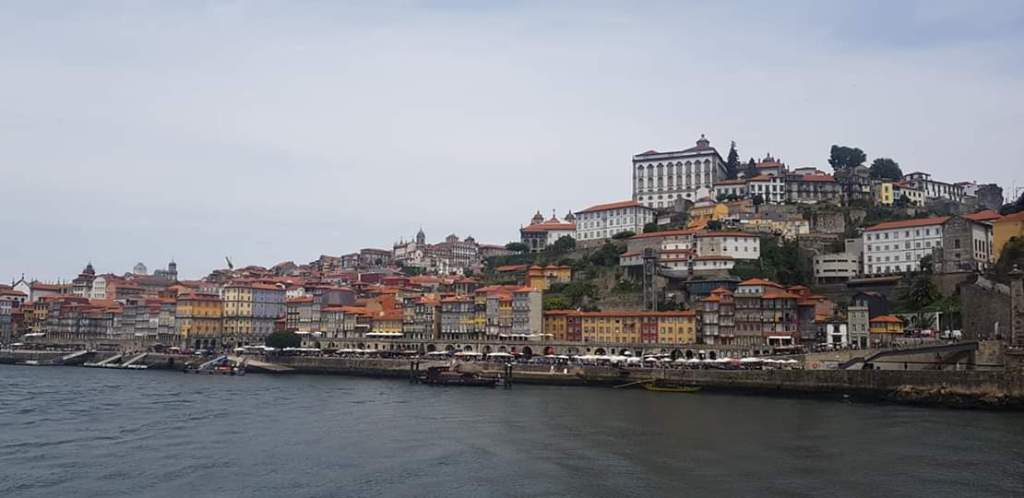
The second largest city in Portugal and one of the most beautiful places in Western Europe, Porto is a dream destination. Surrounded by the beautiful beaches dotting the Costa Verde shoreline, the heart of Porto is a Cultural Heritage of Humanity by UNESCO, and it’s a must-see for any history lover. But the city’s world-famous Port wine is what really put this place on the map ! If you are traveling to Portugal, you absolutely can’t miss the chance to explore Porto.

Getting Around Porto

Porto is one of the most walkable cities in Europe. Though its hills will give you a workout, they will also give you a perfect vantage point to take in the panoramic views of the city.

Metro: The Metro in Porto has six lines and 81 stations. The trains run from 6 AM to 1 AM and a single ticket costs EUR 1.20.

Bus: There are plenty of bus routes throughout Porto and some that travel to nearby destinations like Vila Nova de Gaia. The service runs every day from 6 AM to 1 AM and single tickets cost EUR 1.85.

Tram: The tram is an iconic way to explore Porto. It’s also an affordable option with tickets costing only EUR 3 for a single trip.

Taxi: Taxis in Porto aren’t that expensive when compared to other major European cities. An average journey in the city center will cost EUR 4-6. Most of the drivers do speak English, but it’s always a good idea to write down the address of your final destination to avoid any confusion. Uber is also available in the city and is perfect for travelers who prefer paying for transportation costs with their card instead of cash.

Where To Stay

Aparthotel Oporto Alves da Veiga

Aparthotel Oporto Alves da Veiga is a 19th-century mansion that’s been beautifully restored with an Art Deco style. You can expect all the charm of period mansions as well as all of the modern conveniences. The apartments are also only a short walk away from the Riberia do Douro river and the bustling Rua Santa Catarina with all its boutique shops.

The Yeatman

This luxe wine hotel and spa is a seriously impressive spot. It has an absolutely breathtaking view of the iconic cityscape as well as the Douro River.

Set amongst seven acres of hilly vineyards with outdoor and indoor infinity swimming pools, this well appointed two star property is the swankiest pick in the city. The on-site Dick’s Bar has live music on Thursdays, Fridays, and Saturdays from 9:30 pm until midnight.

Selina Porto

The Selina is perfect for digital nomads visiting Porto. You can stay, eat and work without leaving the property. The boutique hotel as stunning rooms and you can choose from private suites to communal rooms – there’s something for every type of budget !

Where To Eat

Antiqvvm

Antiqvvm is considered one of the top fine dining restaurants in Porto. It earned its Michelin star in 2016 and serves up delicious Mediterranean cuisine using only premium seasonal produce. You can choose from multi-course tasting menus or a la carte.

Leitaria da Quinta do Paço

Leitaria da Quinta do Paço is where you can find some of the best eclairs in Porto. Stick to the classic dark chocolate or try something more adventurous like banana mousse or passion fruit! If you’re not a fan of eclairs, there’s plenty of other traditional Portuguese pastries you can try like pasteis de nata, the famous custard pie !

Café Guarany

If you’re a coffee addict like myself, you don’t want to miss Cafe Guarany. It’s one of the best cafes in Porto, and it’s definitely affordable ! The coffee is served in porcelain cups and its the perfect place to enjoy a cuppa before you head off to that next attraction.

What To Do

Clérigos Tower

Clérigos Tower is easily the most iconic site in Porto. Located beside the baroque Clérigos Church, this 250-foot tall tower offers the best view of the city so bring your camera– and your walking shoes ! It’s 200 steps up to the top !

Ponte de Dom Luis I

Ponte de Dom Luis I, the bridge linking Porto and Gaia. It is the perfect vantage to both sides of the metro and I’d recommend going during sunset so you can watch the city light up. If you take the cable car in Gaia, you can walk the upper level of the bridge back to Porto.

Crystal Palace Gardens

The 19th century Crystal Palace Gardens, or the Jardins do Palácio de Cristal, is a picture perfect spot to spend a sunny day. Wander the paths and wind through the fountains and lush landscape as you take in the views of the Douro River.

Ribeira

Ribeira is one neighborhood where you can just wander around all day long. Its riverfront square, called Praça da Ribeira, is a tourist fave and it’s easy to see why. Nab some photo ops at the fountain then just explore without a plan.

Livraria Lello

Livaria Lello is one of the most beautiful bookstores in the world. Plus, did you know that JK Rowling used to hang around here when she started writing her Harry Potter series ? There is a small fee to enter, but it’s totally worth it if you’re a book nerd.

Spain Travel Guide

There’s always an excuse to visit Spain, whether it’s for the glorious sunshine, lazy-day siestas or soaking up those beautiful sights, the whole country is full of experiences that are definitely too beautiful to resist.

With endless cultural festivals, world-class beaches, and renowned nightlife, Spain is impressive 365 days a year. I could spend months on end exploring Spain. From Madrid to Barcelona to Malaga to Seville to Girona to Bilbao, it’s such a vibrant country. Whether you hit the slopes of the Sierra Nevada, wander the vineyards of Rioja, or relax in the sun in the Canary Islands, Spain is guaranteed to impress you any day of your trip.

The best part about visiting Spain though is the diversity you can find all across the country. The food, cultures, and even languages can change quite dramatically depending on where you find yourself in Spain. This of course only adds to the excitement of visiting and re-visiting Spain as each time you visit the possibility of having a fantastic new experience.

Despite the diversity, no matter where in Spain you’re planning on visiting and indeed, it doesn’t matter if it’s your first, fifth or tenth visit, Spain always manages to find brilliant ways to surprise and impress you.

Best Time To Visit

September to November is easily one of the best times to travel to Spain.

Plan your trip for September, and you can mark the arrival of autumn, and also the period when grapes are picked. Every year, the harvest signals the end of the grape-growing season. The grape harvest festivals that are held in many places in Spain offer a sample of what the world of wine is like. You are sure to have a good time during these festivities, because the mood of merriment that prevails is contagious. You will also have the chance to see first-hand some of the tasks involved in the winemaking process. Head up to Rioja and Ribera for some of the best wine tastings in Spain !

June to August is the most popular time to visit Spain. The weather is perfect for long days on the country’s 5,000 miles of coastline.

What To Expect

Language: The official language of Spain is Spanish.

Currency: The currency in Spain is the Euro. 1 GBP is equivalent to about 1.12 EUR.

Plugs: The plugs in Spain are type C and F. The standard voltage is 230 V, and the standard frequency is 50Hz.

Safety: Spain is one of the safest European countries. While there is a low crime rate, you’ll need to be aware of pickpockets in the metros and in crowded areas that are popular with tourists.

1. Madrid

Madrid is often overshadowed by its northerly neighbor Barcelona. There seems little reason for this, though, with delicious food, affordable living, and deluxe shopping, the capital of Spain deserves its own spotlight of fame ! Discover what many locals already know and love about their city, rooftop bars, nonstop nightclubs, fantastic museum exhibitions, and beautiful green parks.

Madrid has an amazing fusion of history and modern, urban lifestyle. Because Madrid is a very large city, it can be hard to get your bearings.

Getting Around in Madrid

City traffic tends to be congested so it’s best to stay off wheels unless you’re driving out of town.

By Metro: The metro is very easy to navigate, even for non-Spanish speakers, and it’s much less expensive than other metro systems in Europe. Madrid has one of the best public transit systems in the world ! If you’re heading into the suburbs, hop on one of the local trains or buses.

Arriving by Air: The airport is just a few minutes from downtown. Catch the metro to the city center for just a couple of euros.

Where To Stay

Hotel Palacio Del Retiro :

This is a stunning boutique hotel that boasts refinery and contemporary design. Hotel Palacio Del Retiro is very affordable for being a luxury hotel, and situated in one of the best spots you could stay in Madrid. You’re just steps away from the Retiro park, shops, restaurants and museums !

Barcelo Torre de Madrid :

Just walk through the doors, and you’ll love this hotel. It’s in a great location on Gran Via, walking distance to many sights (like Plaza de España) of interest and restaurants, plus there is a metro station right in front of the hotel !

SLEEP’N Atocha :

SLEEP’N Atocha is a budget hotel located just a few blocks from the train and metro station, and is in walking distance to major sights, like the Prado museum.

Petit Palace Casona 1900 :

Petit Palace Casona 1900 is located in the chic area of Salamanca, and is very accessible to the metro! The rooms offer all the modern conveniences you could want.

Airbnb :

Madrid may have seemingly endless hotel options, sometimes the best way to synchronise with the city’s rhythm is by staying in a real home.

What To Eat

Local Dishes :

Top local Spanish dishes to try : bacalao (salted and dried cod), olive oil and olives, jamon (ham), cheese, patatas bravas (smoky potatoes fried in oil with aioli), and pimientos de padrón (spicy fried peppers) !

Mercado de San Miguel :

Get your nibbles and tidbits form the Market of San Miguel. This historic market in the old quarter is perfect to sample your way through Spanish cuisine, vermouth, pintxos, oysters, olives paella, caviar, the list goes on and on.

El miniBAR :

Situated near Plaza Mayor, this place has highly rated food, cold beer and sangria for a fraction of other places. If you’re traveling on a budget, this is a must.

What To Do

Flamenco Show :

One of the most iconic forms of dance, Flamenco originated in Spain and still plays an important role in the culture. Madrid has a range of venues that offer Flamenco shows with a traditional Spanish dinner— a lively and fantastic way to spend the evening. Be sure to check out Villa Rosa !

Puerta del Sol :

As a major transport hub, the Puerta del Sol is the most interesting square to visit in town. Here you’ll glimpse at intriguing statues, public artworks, and historic architecture. Grab a coffee and relax while you watch the people of Madrid go about their business. Be sure to watch your bags though, this is a popular place for pickpockets !

Marvel at Palacio de Cristal :

Located inside of Retiro Park, the Palacio de Cristal was built in 1887 and is made almost entirely of glass set in an iron framework. It is set in a 130-hectare park alongside a large lake where there is a variety of flora and more than 15,000 trees to discover on a sunny Spanish afternoon.

Visit the Catedral de la Almudena :

This ornate cathedral is one of the largest in Europe and blends a neo-Gothic style with modern statues and pop art décor. Construction took more than a century and the cathedral was only consecrated in 1993.

Classical Art of the Highest Order at the Museo del Prado :

The Museo del Prado is one of the best museums in Europe—it boasts a fine collection of classical art from Spanish masters like Velasquez and Goya and far-off artists such as Rubens, Botticelli, and Caravaggio.

Mercado de San Miguel :

The beautiful Mercado de San Miguel sits next to Plaza Mayor and serves a variety of pastries, snacks, and tapas. Locals and tourists alike flock here to sample fresh nibbles, and it’s a great way to see Madrid through the eyes of its natives.

Watch a Game of Football

Spain is one of the most fanatic nations when it comes to football, and Madrid is a perfect spot to catch a game. Stars like Toni Kroos and Gareth Bale strut their stuff around Madrid. Players from Atletico Madrid are equally exciting to watch.

Book a Walking Tour

One of the best ways to learn about a city’s unique history and attractions is with a guided walking tour. Lead by locals, you’ll get an inside look into Madrid and discover the city’s food culture, museums and beautiful architecture.

2. Barcelona

Boasting a reputation as one of the most attractive cities in Europe, Barcelona celebrates its role as the capital of Catalonia. The city’s cosmopolitan international vibe makes it a favorite city for many people and is known for its amazing architecture and art. Travelers flock from around the world to see the iconic Sagrada Família church and other modernist landmarks designed by Gaudi.

Barcelona is an amazing city but, as with any big city, you need to use your street smarts and follow basic travel safety. Pickpocket and bag snatching is a big issue here, so do your best to secure your valuables, blend in and don’t look like a tourist.

Getting Around in Barcelona

Barcelona is separated into many different districts and neighborhoods; each offering a unique flavor of the city ! The most popular communities worth visiting are :

Sants-Montjuic: A nice open area with several lovely parks, this area offers amazing views of the city when you get to the top of the mountain. It’s also close to many of the Olympic facilities and is home to the high speed train station with links to the rest of the country.

Ciutat Vella: Also known as the Gothic Quarter or heart of Barcelona, this is the oldest part of the city incorporating the popular area of Las Ramblas. Las Ramblas is usually filled with tourists, as it is the central most boulevard which cuts through the heart of the city. Visit the museum, showcasing the first Roman foundations, and enjoy the superb seafront with its boardwalk and beach.

L’Eixample: Outside the original city walls, this area of the city is where many of the best modernist architecture is to be found. It is also home to many of the best bars and clubs in the city.

Eixample: Some of Barcelona’s best shopping is found in this area, and it is home to Gaudí’s Casa Batlló, Casa Mila and Sagrada Familia. There are tons of bars and restaurants in this district as well.

Gracia: Having once been a Catalan town on the outskirts of the city, the growth of Barcelona has seen the area become a suburb, with a significant student population and the beautiful architecture of Gaudi’s Park Guell.

TRAVEL TIPS :

Metro: Barcelona currently has eight metro lines that can get you pretty much everywhere in the city. However, it is a popular spot for pickpockets. If you’re traveling on a budget, it’s a great option—a single ticket will cost you 2,20€ but a T-10 Card, good for 10 rides only costs 10,20€.

Taxi: Barcelona’s licensed taxis are easily identified by their yellow and black exterior. They have to charge you the amount displayed on the meter. Taxis here are said to be the cheapest in Europe so if it’s more convenient,

Walking + Biking: Barcelona is very walkable and accessible to bikes. Save your money and get some fresh air !

Where To Stay

Hostel One Sants :

If you’re traveling on a budget and looking for a social atmosphere, Hostel One Sants is an excellent option. They offer organized activities, bar crawls and FREE dinner nightly. And they’re only a 12-minute walk from Sants Station.

Jam Hostel Barcelona :

This eco-friendly hostel is located in the popular and bohemian Gràcia neighborhood and is perfect for those on a budget who want a relaxing atmosphere. They offer private and dorm rooms, morning yoga, and is only a 15-minute walk from La Sagrada Familia.

H10 Madison :

H10 Madison is a stunning 4-Star hotel located very centrally, and only a 5-minute walk from Las Ramblas. The hotel features a beautiful rooftop terrace with swimming pool and great views of the city.

Hotel The Serras :

Hotel The Serras is near Las Ramblas but far enough to feel removed and able to enjoy the luxurious property. The rooms are very comfortable and spacious and the stunning rooftop bar + pool are a great way to relax after a day of exploring.

Hotel Curious :

Hotel Curious is a small, budget hotel located about 2 minutes from Las Ramblas, and a 5-minute walk from the Mercado de La Boqueria. The staff are friendly, breakfast is included.

Where To Eat

Paella :

Stay away from Las Ramblas if you’re looking for authentic paella — these three restaurants are said to have the best paella in Barcelona, so start here : Rias de Galicia, Cheriff, and 7 Portes.

Calcots :

Calçots are a type of sweet, spring onion found mostly in the southern part of Catalonia. They are typically served grilled and in a clay dish to preserve their heat.

Espit Chupitos :

With a menu listing over two hundred shots, this is definitely the place to get the night started. They typically don’t open until about 10:30pm.

La Boqueria :

This popular market in Las Ramblas has the best fresh food that the region has to offer, with stalls serving fresh oysters, wonderful varieties of olives and the superb cured meats that are a staple of many meals in Catalonia.

What To Do

Stroll Las Ramblas

The most famous street in the city is a pedestrianized, tree-lined boulevard that has many green areas, restaurants and bars, with a range of market stalls and street traders. It’s lively and typically full of tourists !

Hit the Beach

Voted the best city beach in the world, this stretch of golden sand faces on to the Mediterranean and is a great place to get a tan and to meet new people. It’s not a beach for those looking for a quiet spot as good weather draws in some major crowds !

Tablao Cordobes Flamenco Show

Combining an excellent meal with a look at the traditional Flamenco dancing, this experience offers a great insight into Catalan culture and the passionate dancing which has been taking place here for over forty years.

Discover the Gothic Quarter

This lovely area has a range of attractions including the wonderful Picasso Museum and the Placa Reial. The area also has several churches and the amazing modernist architecture of the Palau de la Musica Catalana, a UNESCO World Heritage Site.

Walking Tours

The best way to see the city is by foot! Sign up for a walking tour of the Gothic Quarter, or a Gaudí architecture tour to learn more about the fascinating history of the city.

3. Malaga

While visiting Malaga, it is hard to figure out why it’s not mentioned alongside Barcelona, Madrid and a handful of other prominent Spanish destinations. I found it every bit as charming as any standard Mediterranean getaway, but with a fascinating blend of beauty and history that set it apart.

It’s fair to say the city isn’t quite the party or nightlife destination that Barcelona or Madrid is known to be. But for pure relaxation, I couldn’t imagine a better Spanish destination to visit.

Italy Travel Guide

Italy is a must-visit country and is one of the most-traveled destinations in Europe. There are so many highlights in this beautiful country, from the canals of Venice to the Tuscan wine lands to the cobblestone streets of Rome to the Arno river running through Florence and beyond.

Rome is one of the most iconic and most traveled cities in Europe and you could spend days getting lost in this magnificent destination.

Best Time To Visit

The cheapest time of year to visit Italy is in the winter. From December to March, the cold weather keeps most travelers at bay, and you can explore the country’s incredible museums and galleries to your heart’s content. You’ll also be in time for all the Christmas Markets and have an easier time finding cheap flights to Italy. Another affordable period is between April and May. The summer crowds have yet to arrive, and the countryside is covered in a blanket of blossoming flowers ! However, there really is no place like Italy in the summer. Even if it’s crowded, it’s amazing !

What To Expect

Language: The main language spoken in Italy is Italian.

Currency: The currency in Italy is the Euro. 1 GBP is equivalent to about 1.12 EUR.

Plugs: The plugs in Italy are Type C, F, and L. The standard voltage is 230 V, and the standard frequency is 50Hz.

Safety: While Italy is generally a safe destination for solo travelers, the one thing you need to watch out for is pickpockets. Always keep your eyes on your belongings and invest in an anti-theft backpack to ensure you don’t lose any of your valuables.

Getting Around: I loved traveling through Italy by coach and train, you can sit back and relax as you cross the beautiful countryside.

1. Rome

Rome is one of the most iconic and most traveled cities in Europe, with a long history to match. With a mixture of cultures from around the world, Rome has it all. Wander the cobblestone street, spend some time taking in all of the stunning architecture the city has to offer. Rome is also a foodie’s heaven, from the world-class cuisine, to casual trattorias, to takeaway pizzas.

What to Expect in Rome

Rome is a big city with a great transportation system and friendly locals. I would recommend knowing a few key phrases in Italian but you will find many English speakers around in case you need assistance.

Resting just off the Mediterranean Sea, Rome enjoys warm and temperate weather with averages of 60 degrees Fahrenheit. Expect much more rainfall during the winter and hot and sunny days in the summer.

Getting Around in Rome

Getting to Rome : Dozens of airlines fly to and from Fiumicino Airport daily, so you can pick and choose based on your point of origin. You can also wheel into Rome by train, most lines run into Roma Termini, Rome’s central train station.

Car: Driving in Rome isn’t advisable, the traffic is chaotic in the best of terms and drivers are insane.

Taxis: Taxis are an option but tend to be more expensive.

Public Transport: Opt for wandering around by foot, the most romantic way to discover the hidden corners of the city, or use the impressive public system of buses, trams, metro, and light railways.

If you’re in town for at least 72 hours, try the Roma Pass, just 38 euros will get you full access to public transportation, admission to two museums, and discounts on performance and exhibition tickets.

Uber: Uber is available in Rome, so if you’re going further distances around the city, it is definitely an option !

Where To Stay

Hotel Golden : Located on the edge of the Borghese Gardens, and close to the Spanish Steps and Trevi Fountain, this family-owned hotel offers personalized service and is in the perfect location to explore.

Hotel Artemide : With a delicious complimentary breakfast, comfortable beds, and a super helpful staff, this 4-star hotel is a winner in Rome’s city centre. Plus, it is only about a 15-minute walk to Termini, Colosseum, Trevi, and Spanish Steps.

Boutique Hotel Campo De Fiori : Featuring a rooftop garden terrace, this boutique hotel is a dream. The property is centrally located and the over-the-top decor will make it a true Italian experience. They also offer apartment-style accommodations for long-term stays.

The Place In Rome : This hostel-style bed and breakfast is top-rated in Rome, and is located near the train, subway and bus station that gives you the convenience to explore the city ! Includes Free breakfast !

La Controra Hostel Rome : If you’re looking for a backpacker hostel, this should be your go-to. Less than 10 minutes walking from Termini Station, La Controra is also walking distance from city centre and a 10-15 minute walk far from the Trevi Fountain, Spanish Steps, Villa Borghese, and a metro stop.

Agnes Roma B&B : Located a short distance from downtown in the elegant and quiet Trieste neighborhood, this family-run B&B offers to its guests three bedrooms, two bathrooms and a nice living room.

Where To Eat

Baguetteria del Fico : Friendly service, delicious sandwiches and an extensive beer list, what else could you want ? Stop by for a satisfying and affordable lunch !

Mercato Testaccio : A lively food market that sells both raw ingredients, baked goods, fresh produce and takeaway food every day of the week except Sundays.

Da Cesare al Casaletto : Da Cesare al Casaletto is by far the best trattoria in town. You can’t go wrong here, and the wine list is very affordable.

Otaleg : A must-stop for gelato in Rome! Located in the Portuense district, Otaleg uses all-natural ingredients to make their rich and creamy gelato. You won’t regret it.

Supplizio : This casual street-food-inspired spot on the ground floor of a Renaissance building in the city centre brings fried specialities and signature finger foods to the masses.

Flavio al Velavevodetto : Popular with locals and visitors alike, Flavio al Velavevodetto is an elegant yet cozy place to take friends and family with dishes that are 100% traditional. Be sure to try the local specialities and carbonara !

Trapizzino : If you’re traveling on a budget, you have to try the triangular shaped, popular tramezzino sandwich here (for about 4 euros). Delicious sandwiches filled with goodies like oxtail simmered with tomato and celery, chicken with bell peppers.

What To Do

Visit The Vatican : The Vatican is closely tied with Rome’s heritage, and there is a wealth of art and history to explore in its Vatican Museums. Start early to beat the crowds.

The Pantheon : If you have only a few hours in Rome, you should absolutely visit the Pantheon. It’s the only ancient Roman temple that survived virtually intact.

Trek up to Gianicolo Hill : Rome is best explored on foot through all the winding streets and hillslopes. You can find a fun and free walk on Via di Gianicolo, which runs from the Piazza Della Rovere up to one of the tallest hills in Rome. The panoramic view of the city from the top is one of the best, and though the steep hike is a bit challenging, there are several benches and cafés along the way so you can take a breather.

Villa Borghese : The beautiful Villa and grounds were built in the sixteenth century as a “party villa” for Cardinal Scipione Borghese. It now houses the impressive Galleria Borghese and the villa’s gardens.

Trevi Fountain : Throw a coin in the iconic Trevi and legend has it that one day you’ll return to Rome. The fountain was designed by Nicola Salvi in 1732 and depicts the sea god Oceanus with his seahorses. It was also featured in Fellini’s La Dolce Vita and is still popular with the crowds who make the pilgrimage to admire it.

The Spanish Steps : The Spanish Steps, a lively staircase of 135 steps, were made famous by Audrey Hepburn’s 1953 film Roman Holiday. They are a great place to people watch and start your window shopping.

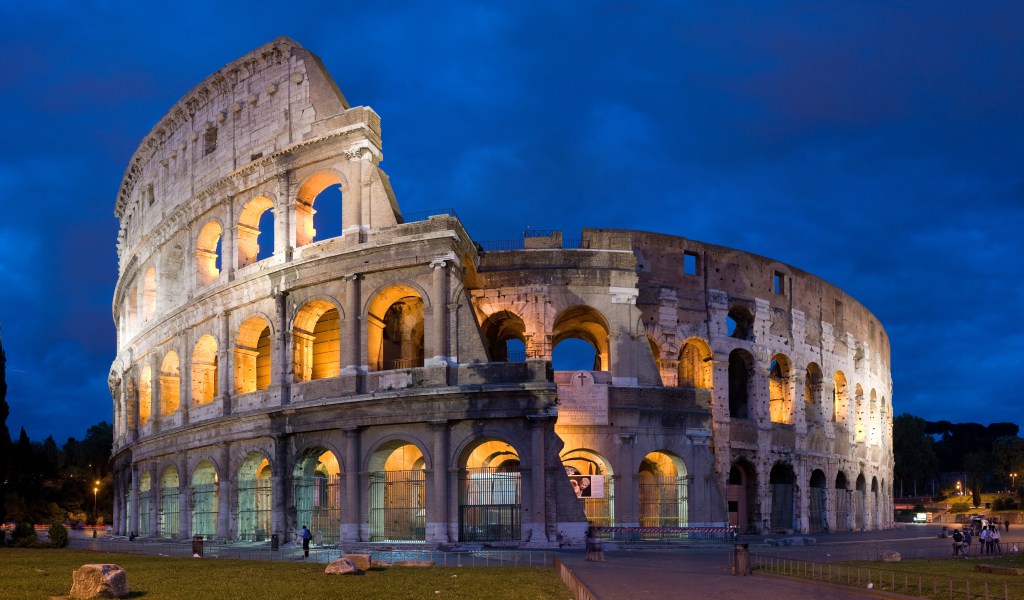
Roman Forum + Colosseum : On your list should definitely be the Roman Forum, which houses Trajan’s market, the relatively intact ancient Via Biberatica, and, of course, the iconic Colosseum.

Food and Pizza-Making Tour : You get to explore the streets of the city all while trying delicious food. You’ll stop by a bakery, a market, a coffee shop, and a traditional pizzeria where you get to make your very own pizza.

Join a Take Walks Tour : Take Walks offers so many different tours around Rome and I would highly recommend booking one with them, from food to history !

Blog at WordPress.com.

Up ↑

Design a site like this with WordPress.com
Get started