You commit to a new system/program/method and you throw yourself in excitedly on day 1. By day 3, you’re not seeing results and you start to doubt yourself. By day 7, you’re already looking for something else.
If you’ve committed to something for an period of time, stick it out. Then review your results at the end. Don’t give up halfway through. So many people fail because they give up too soon !
2 : FEAR OF NEGATIVE FEEDBACK
Would you rather feel a little hurt for a few weeks – and then make lots of money…or would you rather feel smart and superior – but continue making less than you want ?
Nobody likes being told they are wrong. But if you pay an expert to help you and you reject that help, you’re robbing yourself of the opportunity to improve.
If you invest in me, I will probably beat up on you until you’re producing excellent copywriting which makes sales. Some people love this – because they become good and make money FAST. Other people don’t – because their ego gets bruised.
Also included in this category is letting negative feedback halt your progress. That might come in the form of bile-filled comments on your Facebook ads. Or only 10 people watch your first Facebook live. Or you have 5 sales conversations in a row and none of them want to buy. The tendency is to think ‘this isn’t working’ and give up.
3 : THINKING YOU KNOW-IT-ALL
It’s that automatic desire to respond ‘yeah, I know that already’, no matter what someone says to you. Loads of people think they are experts in sales and marketing. Yet they aren’t making any money. If you can’t put your ego to one side and admit ‘I’m not getting results, therefore I need help’ – you’ll struggle to improve.
4 : FEAR OF BEING SEEN
We all have a deep rooted desire to fit in with the crowd, to be accepted. Unfortunately this doesn’t work so well when we are branding ourselves. We need to stand out from everyone else.
This desire to fit in causes us to avoid things that progress our business – like live video, sales conversations, charging what we are worth.
It’s that fear of people going ‘What? You’re charging 2k ? What gives you the right to do that ?’
The fear deep down cause us to not put ourselves out there. As a result, we either are invisible, or we come across as ‘me-too’.
This fear isn’t unreasonable either. When you become more visible, people will laugh at you. They will scoff behind your back and say ‘what is this idiot trying to do ?’
Until you start making lots of money, that is. Until you no longer have to sit in some miserable day job Monday – Friday like they do. Then they either shut up, or they ask you for advice.
5 : FEAR OF SELLING
Lots of people are putting out content and being seen – but fail to make an offer to their audience.
Or if they do make an offer, it’s very tentative.
Essentially their strategy is ‘put endless value out into the world and hope someone wants to work with me’. Generally that doesn’t work too well.
You have to be willing to say ‘here’s what I’m selling and here’s why it’s awesome.’
We have about a million blog topic ideas floating around in our heads and don’t know what to blog about or what topics to write about.
Should you blog about everything and anything or just one thing ?
Does a blog niche topic really matter when you have a brand new blog ?
Figuring out what to write about on your blog is one of the toughest barriers new bloggers face when they want to start a blog. This is the one thing that can stop someone from ever starting a blog in the first place.
And, it’s no surprise that experienced bloggers you look up to are telling you over and over again that you must know exactly what to blog about and have 3-5 pillar posts as your first blog posts.
There is no need to do this in the beginning !
But I do know that when you start a blog, for it to succeed, you need a blog niche and valuable resource content on your website.
But, do you need to know what topics to write about every single day ? Not really !
The key, is to know what is important when you blog.
So, if you are a new blogger –then I encourage you to hang around here and figure out what topics to write about no matter where you are in your blogging journey.
The Thing About Topics to Write About
Here’s the thing about your blog niche and the topics on what to write about – it doesn’t matter if you have one in the beginning.
Does that mean you shouldn’t have any idea about the topics you should blog about ? No ! Generally speaking, you need to have an idea or umbrella theme around your blogging ideas.
For example, if you’re a stay at home worker, and you are interested in starting a blog, you can draw from your life and start there.
Maybe you have a knack for organising and using the KonMari method.
Find a few things you enjoy doing in your life and are easy to talk about.
Even thinking about the things you talk about with your friends and family can help you figure out what to blog about.
I encourage you to pick a few topics to start with. For example : solo travelling, family holidays, disneyland.
As a new blogger, you can definitely blog about these topics. There are probably hundreds of blog topics in those categories.
So, try out different blog topics to write about on your new blog and see where it takes you.
A lot of successful bloggers didn’t start with the blog niche you know them for now. Those successful bloggers are probably on their second or third or fourth or even fifth blog.
As a new blogger, treat your first blog as a learning blog. You can spend up to 6 months to a year really understanding blogging terms, what to do after you start your blog, how to get people to read your blog, and how to start that email list.
I can bet, if you take that time to learn a lot about how to write a blog post, you will start earning an income from your blog.
Try writing about different topics.
By blogging on different topics, you will become a better blogger in the long run.
It’s okay to try new ideas out ! Give it a try.
Let’s now switch over to the actual writing. What types of blog posts will help you grow your blog the quickest ?
I’ll first talk about how to write a blog post, how to organise your blog and then dive deep into blogging topics.
Here are six types of blog posts that i know will help you increase website traffic and your income.
Six Types of Blog Posts for New Bloggers
The six types of blog posts I will mention can be written in any blog niche that has the potential to make money.
I’m focussing on what topics to write about that might resonate with your intended audience.
As well, some of these topic ideas aren’t for the brand new blogger, but rather, the established blogger that understands how to write a blog post and knows what to blog about.
At the end of this post, I will break down exactly how to write a blog post. So, read over these types of blog posts, and then at the end, you will learn how to put it all together !
But, I wanted to share these blog post types to help you know what will grow your blog the fastest.
1. Educational Content
The best type of blog topics to write about is educational content. This is the type of content that is highly searched on Google.
According to Business Insider, the distribution of traffic from Google and Facebook show that educational content is searched more often on Google than on social media – like Facebook.
People want to know about budgeting or know about where to find work at home jobs or what the best automation tool is. And those people tend to use Google over Facebook. I would also venture that Pinterest (also a search engine) would be a good platform for users to search how to content.
I can tell you that parenting content, travelling content, marriage/relationship content, gardening content and other lifestyle topics will do well on this visual search engine platform.
Teach Your Readers
People who visit blogs do so to help them overcome some sort of problem or challenge. This is the nature of having educational content on your blog.
While there are blogs that are more entertainment based, to build a community and tribe of loyal readers, you want to help them.
The best topics to write about are:
How To
Tutorial based
Ultimate or Definitive Guides
Let’s go more into detail about these types of educational blog posts.
How To Blog Posts
How To blog posts focus on one thing and break down that one thing into steps, tips or hacks.
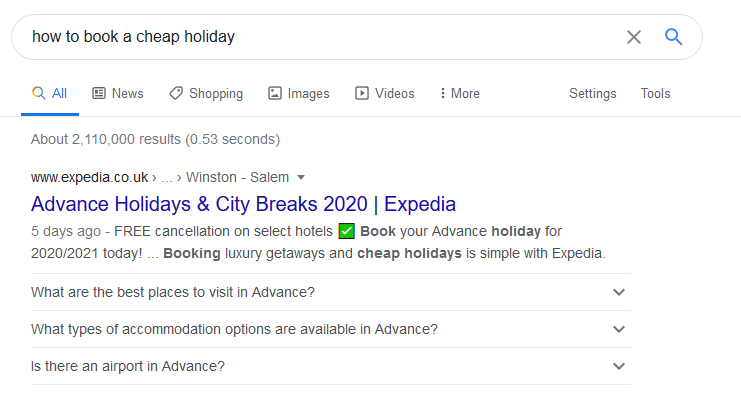
This is usually a “thing” that many people are struggling with like how to book a cheap holiday.
As you can see, around 2,110,000 people search for this how to topic each month. This is something you wouldn’t see all around Facebook or Instagram or Twitter or LinkedIn.
So, if you are interested in SEO – search engine optimisation – a way to start ranking in google is to provide educational how to content.
Tutorial Based
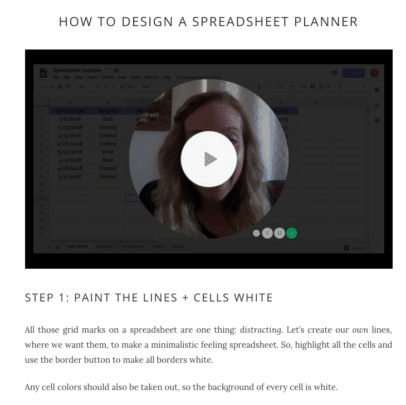
A tutorial based post can also be a how to blog post, but typically a tutorial shows you a process of doing something step-by-step.
With this type of topic for your blog, you will also see a lot of images or videos to help the reader understand what is going on.
For example, Hayley over at Organized Blogging has a tutorial on how to design a spreadsheet with a video and steps.
When you show your audience how to do something, you build more trust and credibility.
Now, you don’t have to do a tutorial on something tech-related. Many craft bloggers and food bloggers use video and images to show how to make lasagne or how to make chicken burger.
The idea is finding out what your audience is struggling with and providing a solution with a tutorial-based post.
Ultimate Guides/Resources
The ultimate guide or resource is the pillar type of blog post all those bloggers tell new bloggers to write as their first blog post.
Personally, I feel that’s not the best use of time for a new blogger. It took me, probably, 6 months to feel confident and have the knowledge to write my first ultimate guide. (on my previous blog)
I suggest you blog for a month or a few months before you write an ultimate guide.
Ultimate guides are posts that encompass a whole process for a tactic or more than one tactic.
It’s an all-in-one blog post that covers….everything.
For example, my blog post on how to start a blog is an ultimate guide !
Resource posts don’t have to be as massive, but they are highly resourceful !
New bloggers can attempt to write about resource ideas, and many are a round up of helpful tips or resources like other blogs, bloggers, tools etc..
All you need is Google to find these resources to round up that income !
2. Inspirational Content
Inspirational content is something a lot of successful bloggers tell you not to write about. And I agree, to a point.
Why do we tell new bloggers not to write inspirational content ? Because it is harder to monetize.
But, you can inspire people and still provide value with educational content.
Some sites, though, are exclusively inspirational.
These types of sites are more visual in nature, and they spark an emotional trigger in their readers. They also fulfill a need for their readers through powerful story-telling.
But, inspirational content can also just be a roundup of beautiful things.
Many new bloggers might write a post about their outfit of the day.
It’s inspirational, and some people will want to see what you wore for the day – but, on Instagram….not really on your blog.
On your blog, you can instead write an educational blog post like, 5 Ways to Wear Distressed Jeans.
3. Curated Content
Curated content is content that isn’t yours – you just curated it.
So, these are mostly list types of posts or stories from other bloggers and many huge sites like Huffington Post or Thrive Global have curated content.
This means the topics to write about aren’t generated by you, but by others.
Writing a blog as other stories is time-consuming if you do it alone. Most of these huge curated content blogs publish hundreds of blog posts a day.
For the average blogger, the closest to having a curated blog is a contributor blog.
This type of blog is also great if you don’t know what to blog about. Having others create content for your blog to share is perfect when you haven’t blogged for months !
When starting a curated/contributor blog, you can have multiple topics or focus on a few core topics.
4. Income Generating
Aside from educational content, you should also have income generating blogs posts.
These are blog posts that help you make money blogging.
Again, if you are new and don’t know how to write a blog, I suggest you don’t start writing blog posts for your affiliate products or sponsored content right away.
Get the hang of blogging for a while before you sign up to be an affiliate and then have a plan to write that income generating blog post.
While it’s perfectly fine to write a blog post for an affiliate product in your first month, you may only make a few pennies or dollars.
Another way to create an income generating post is by promoting your products !
Maybe 6-8 months into blogging you decide to write an eBook. (I have wrote 2)
You can easily promote your new eBook on EVERY BLOG POST !
If your blog content aligns with your eBook topic, you can add an image of your eBook and link it to your sales page at the end of your blog post.
You also don’t need to make every blog post a review of a product or tool you’re an affiliate for.
Remember, your blog is for your audience first ! You are helping them with their problems, and they probably don’t want to read reviews of a new tool every time they land on your blog.
That’s why its good to place a promotional image at the bottom of your blog posts. I gives your readers valuable content and at the end, if they are “sold” they will click on through to see if it is for them.
5. SEO Generated
The other type of blog post you should have on your blog is Search Engine Optimization generated content.
These are blog posts that are written to help rank in google. So what topics to write about will focus more on Google traffic and might be less with your audience, if you run with SEO content.
So, how do you write SEO conten ?
First, you need to know what to blog about, and you need to know what keywords you want to rank for. These keywords are usually longtail, meaning they are a string of words that make it easier to rank for.
The keyword also has to be highly searched but not competitive.
And you can find out this information by using a tool like Keywords Everywhere.
It’s a Chrome Extension, and once you enable it, it is on every time you search in Google. It will tell you how many times that keyword was searched and the competition. It will also give you more longtail keyword ideas.
Once you find a keyword that you can rank for, you can use that in your blog post. I would use that keyword in the title and peppered throughout your blog post like your subheadings, bullet lists, and in your paragraphs.
Not every blog post that you optimise with keywords will rank. There are other factors to ranking in google that are much more reliable tactic than using keywords.
I will dive deeper into using this tool to figure out what sort of things to write about.
6. Unique Content
There are thousands of blogs being created every day, and there are millions of blogs already in existence.
This means, what has been said, has likely already been said !
And, the only new information there is online, is personal information.
So, when you can provide a truly unique blog topic on how to do something, that piece of content will get noticed and shared. It can even become viral.
If you feel you can’t think of anything truly unique, another approach to unique content is by infusing your personality, your stories and your voice to your writing.
I write about the same topic several times. But, all my posts are unique because each is different, infused with my personal strategies I use for Pinterest, and each with slightly different angles.
What topics to write about aren’t important to unique content – it’s how you write them !
Melyssa Griffin is one of the best bloggers to follow !!! With every blog post, see if you can tell a story and show your personality. Maybe you’re funny, cheeky, matter-of-fact etc…Find your voice and cultivate it on your blog.
Brian Dean of Backlinko was one of the first bloggers to delve into SEO, and he wrote a ton of unique content that is now commonplace and the norm in learning about SEO.
So, you can be the trailblazer out there, or you can still be unique with your content by infusing your personality and sharing your stories.
How to Write a Blog Post – Organising Your Blog
With a blog that makes money, you need to make sure there is a content plan in place.
How to write a blog post means you also need to know how to organise your blog posts.
An editorial process is something many successful bloggers use. It’s a consistent process that’s backed by research and planning.
There are many tools you can use to plan out your content. You can use a free version like Google Docs to map out your blog post ideas.
Or you can try these other three ideas !
1. Use Your Bullet Journal
What I like about it is that I can be as creative as I want and for me, that’s important. I tend to write all over the place and it’s nice that my blog ideas are all in one place.
2. With a Content Planner
You can schedule a year’s worth of content in only one hour ! How great is that !
3. Digital Planner
If you don’t like the mess from notebooks and journals, why not use a digital planner instead ? It’s mess free and it’s highly organised ! Hayley of Organized Blogging, has a free digital planner you can try out.
Her planner can help you set goals, create your weekly to-do list and help you with keeping track of your SEO research.
With these tools on hand, you can create your own content plan :
Creating a blog post outline
Writing the draft
Editing your blog post
Creating social media graphics
Optimizing your content for SEO
Setting a published date
Have Your Blog Serve Your Audience
With every blog post you write, ask yourself – will this blog post help my audience ?
If the answer is yes, then continue with that blog post idea ! If you don’t know if what you will write will ultimately help your audience, you need to practice social listening.
This means going to Facebook groups and seeing what your core audience is sharing or talking about.
This can help you figure out exactly the right type of blog posts to write for your audience .
Serving your audience also doesn’t mean giving away everything for free. It means really helping your audience in as many ways as you can provide.
Do Facebook, Instagram or Twitter Lives and then upload those lives to YouTube as a way to reach a broader audience, but to also show my audience tactics to help them be a better blogger.
If doing Lives seem too overwhelming, that’s okay, there are other ways to serve your audience.
One way is by starting an email list and creating resource guides.
You can create that in Google Docs, downloaded it, uploaded it to your WordPress media library and then set it up in your ConvertKit email.
By starting an email list and creating incentives for your audience, you are serving them valuable information to help them trust you. When your audience trusts you, they open up and share their stories with you. This can help you serve your audience with with topics to write about even more !
Show People Who You Are
As a new blogger it’s important to show people who you are. This may be hard at first, but it’s important to help you eventually make money with your blog.
Inspirational blog posts and unique blog posts are a great way to show people who you are.
For example, on my old blog, I shared a blog post about how my school days were an horrible experience.
I shared my struggles with school. But, I also made sure to provide value in my blog posts and to remember to serve my audience.
So, I also offered tips and advice in my blog post while sharing what worked and didn’t work during my school days.
I only had a handful of inspirational blog posts on my old blog, but on my most recent blog, I try to show people who I am.
While it’s important to show who you are, you don’t have to reveal everything about you.
My newest blog, doesn’t share that much information about me. The most information about me is on the About page. Over time, I will share more of my personal story on this blog in hopes of increasing traffic.
But, for now, that’s okay. And if you are hesitant in sharing a lot of information about you, that’s fine.
Some bloggers avoid sharing their face, while others don’t mention much of anything about their family.
Now, let’s dive deep into finding out blog topics and look at different blog niches.
What Topics to Write About
Understanding your audience is what will help you figure out what Topics to write about.
So, you know the types of posts to write, the purpose of your posts and how to offer insane amounts of value, but do you know your audience?
To niche down your audience avatar start thinking about who you identify the most with.
If you find that you’re a new mom, but your friends come to you because you can plan the best birthday parties, you might want to consider blogging to an audience of small children and providing content to help plan and organise their home, traveling, etc…
You can also find your audience by looking at you. You can be the target audience for your blog !
Also, you can niche your audience to a less experienced you. This means if you already know how to book cheap holidays, your blog can teach brand travel agents how to find cheap holidays.
Usually this audience is the best type of audience to have since you are always one step ahead of your audience and you have the foresight of what your audience will need to succeed.
Do you need to niche your audience in the beginning?
You don’t have to. For one of my old blogs, it took me a year to really niche my audience avatar to bullied children.
I did occasionally blog to children who got bullied, but it wasn’t my sole focus.
Let’s go through how I figure out blog topics for my blogs.
Find a Popular Post Idea
The easiest way to ensure that you will start increasing blog traffic is to begin writing what is already popular.
Now, you might think, well, there are already blog posts about these topics, why add to this ?
That’s true, but you have to think, if it’s popular, it can be replicated and done even better. Remember, when you write blog posts that others have already blogged about, your personality will make it unique.
1. Use Buzzsumo
Buzzsumo shows popular posts based on the number of social media shares. This is a great way to see if the topics to write about is popular on social media since new bloggers will rely heavily on social media to start growing their blog.
So, if you are a travel blogger and you want to blog to other travellers, you might want to write a post on various activities since this is a challenge for you.
You know that if you are struggling to keep busy, other travellers similar to you are having the same problem.
So, you go to Buzzsumo and type in, “travellers activities.”
You will see that each of the posts ultimately talk about the same blogging idea.
So, for you, you can write a blog post on this based on your personal experience.
Maybe you want to focus on indoor activities, or you can change it up and focus on activities you can do outside.
Take some time to think about different ideas, and you know what ?
Each of those ideas can eventually be another blog post. It’s okay to have multiple topics to write about around a central theme like indoor or outside activities.
2. Google Trends
Google Trends looks at what is trending on Google.
This can help you with the first steps of SEO (search engine optimization). This also enables you to see what blog topics are on an upward trend or downward trend.
You can also compare topics to see if one is more popular than the other.
For example, if you decide to start a blog and focus on more healthy living tips, you might notice the media talk more about poke bowls and where to find poke bowls near you.
You can go to Google Trends to see if this is something new, old or emerging.
On that results page, if you scroll down, you can see related terms of the idea. This can give you ideas on more blog topics or help you add more relevant terms in your blog post.
3. Pinterest
Pinterest is my favorite way to find blog topics.
Why ?
Because I know my target audience for most of my blogs is using Pinterest. I also know that it’s an easier way for a new blogger to start gaining traction with their blog posts.
I’m using Pinterest for my newest blog, and it’s helping me get clicks to my new blog !
Some of my new pins are bringing back hundreds of clicks to my blog.
To help you achieve the same result, you can start searching on Pinterest for some blog ideas.
You can even dive deeper by clicking on one of the tiles underneath your search term to get more ideas on what kinds of things people want to know about travelling.
It seems there is educational content to help new travellers understand travelling terms as well as inspirational content.
This can help you figure out what topics to write about for your travel blog.
4. Keywords Everywhere
If you are interested in writing more SEO generated content, then using a free SEO tool like Keywords Everywhere can help you fine-tune your strategy. This tool was mentioned earlier in the post!
Once installed, you can search on Google as you usually would, but Keywords Everywhere will provide you with more information about what you are typing. It will tell you the monthly searches, competition number, and related key terms.
So, for your travel blog, you also want to provide help on productivity. You know that before you did some hacks or tried some tools, your productivity was all over the place.
You know that your audience probably is at that beginner stage like you (but you solved it).
So you go to Google and type in “productivity.” Google gives you a dropdown menu of more options and one keyword sticks out – productivity tools.
You like this term because it was a tool that helped you increase your productivity.
This search term gets 1,000 searches a month, and the competition is 0.43.
On the side of your results Keywords Everywhere also gives you related keywords.
This is where you can optimize your content more by placing these related terms in your blog post.
So, you do some research and see that most of the posts are round ups (list posts) so this tells you that people want a list post of different productivity tools rather than a post on one productivity tool.
Use a Blog Topic Generator
Blog topic generators are a quick way to figure out what to blog about.
I sometimes use them if I’m stumped or are in a creative slump. Many of them give you headline ideas, but this can at least jumpstart the process of figuring out topics for my blog.
Here are my top 3 favorite.
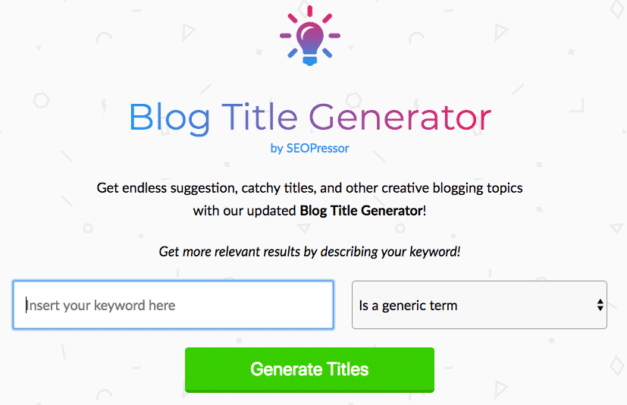
1. SEOPressor Blog Title Generator
This is an easy tool to use. Simply type in your keyword or blog idea and pick a type (like – is it a person, event, brand etc..) and click on the green button.
What’s great about SEOPressor is that many of the results make sense as well as they provide some great tips to help you improve your blog content.
If anything, you will see the potential of different angles to write about the same topic.
2. Tweak Your Biz Title Generator
By far, this tool gives you hundreds of different headlines and blogging ideas in different categories (like list, love, how to, question etc…).
3. Kopywriting Kourse Blog Topic Generator
I feel this blog topic tool is one of the best as it was designed by a copywriter and the results are framed as popular types of content.
It has a lot of breakdowns for titles, but this tool also gives you:
SEO keywords
Social media posts
Emotional and empathetic titles
Okay, let’s dive deeper into the type of blog niche your blog will be. How do you figure out what to write about if you have a lifestyle blog or a niche blog?
What Topics to Write About With a Lifestyle Blog
Lifestyle blogs are blogs that are multi-topic and that showcase lifestyle living. This can be home decor, food, travel, beauty, etc..
What this meant was creating list posts. But, not just any list type of posts – big list posts.
So, as a new blogger, you can aim for this blog traffic goal by deciding only to write list posts. This is more tedious to accomplish because of the initial research and information gathering, but it pays off in the long run with traffic.
So, what are the steps to creating high-viral content?
1. Step One – Find a Pinterest Popular Topic
Based on your niche, use Pinterest to find popular topics. You will know they are popular when you see a lot of results as well as seeing the pins of big bloggers you know of.
For example, if we plug in – live on one income – into Pinterest.
This main topic can be broken down into a lot of subtopics like “single moms” or “debt payoff.”
Your post can get an upper edge if you do a big list post and include the URLs of the top pins for living on one income in your blog post.
This can help your post by providing the best information out there on living on one income.
2. Step Two – Research
For list posts, you need to research and gather up what topics to write about for your blog. This can take days or more depending on if you’re going to use the images of other bloggers.
For example, if you want to round up dinner recipes and feature a blogger’s recipe image, you have to get permission from that blogger to use THEIR image on YOUR blog.
You can get around this by using the PIN of that blog post in your blog post. This is what I do. But I have asked permission to use images or quotes for two of my posts and this can take up to a month or more to get permission.
3. Step 3 – Write the Post
There are different ways to write a list post.
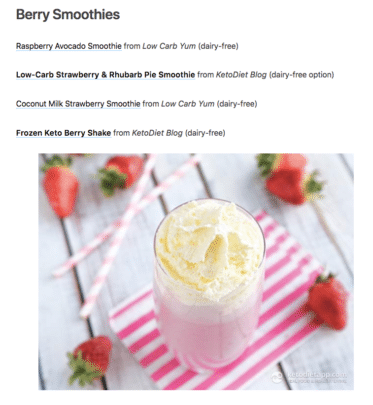
One way is to list all the things on the list!
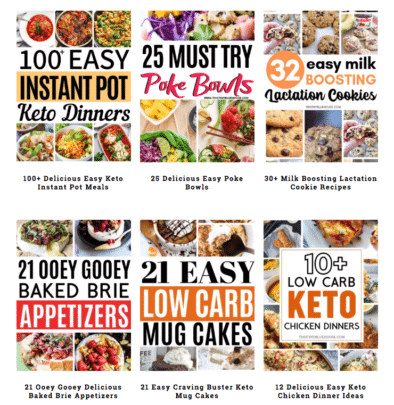
This is what Martina does for her blog post on Keto Smoothie Recipes.
You can also provide the image for each list item (if you got permission) and then just add the link to the item.
Or, you can list the item and write a blurb about each item. I feel this is the best way as you are creating long form content that way.
Many blogs use this method of creating high-viral list posts.
I love Jenny’s blog so much because it is purely a list post blog. I’m amazed by her level of dedication to providing huge list posts in different lifestyle categories.
Food List Posts
With a lifestyle blog, you can use this method of blogging ideas to help you grow website traffic and then when you reach 25,000 sessions, you can apply to Meadiavine. This is an ad publishing platform.
What Topics to Write About With a Niche Blog
What if you have a niche blog? What do you blog about? What topics to write about when you only have one topic? Niche blogs are fun and I love niche blogs. Niche blogs focus on a core topic and core audience.
To find blog topics for a niche blog, you need to understand something first –
A niche blog is harder to write because it is niched down. I had a hard time coming up with new and exciting topics about freelance writing.
I had to really sit down and branch my niche out. So I would write freelance writing on a piece of paper and then branch out different topics I could write about:
Productivity tips
Finding jobs in new ways
Writing tips
Setting goals
Different types of services like ghostwriting
Pitching
Your portfolio
Making money
I would then break down each topic into more mini-topics.
When I did this, I suddenly had hundreds of blogging ideas to write about!
So, for a niche blog, think of the big topic or topics and break that down into several types of blog post ideas.
This is the easiest way to come up with what topics to write about for a niche site.
You can dive deeper into this process, by writing top level blog posts and focussing on one topic blog posts.
Another way to look at what to blog about is to provide an in-depth blog post on one main topic.
This type of blog post is usually framed as a How To.
You break one idea down into easy to implement action steps.
This gives you more leeway in creating many types of blog posts around a main topic and can extend the life of a niche blog.
Now to the final part of this guide is on how to write a blog post.
You have the ideas, you have the types of posts that do well, and you even know the steps in creating this type of content, but how to do you write that post ?
How to Write a Blog Post
There are many different methods used to write a blog post.
But, the main things to focus on when writing a blog post are:
Outline your post first
Organize your ideas into subtopics
Provide internal and external links
Provide examples of what you are talking about
Use images or screenshots
Use simple language
Your headline is what will hook your reader
Your introduction is what will keep your reader glued to your post
Introduction
Your introduction is probably one of the most critical parts of your blog post (aside from your headline).
This is what will hold a reader’s attention and help them decide if this is the blog post for them.
To help readers figure that out, you need to get in the head of your readers and have them nod along with your writing.
You want them reading your blog post and thinking –
That’s right! I do have that ! This is what I’m missing !
You can start generating this “yes” mode in your readers by telling a story or asking a question.
Your introduction should also present the blog post idea, the challenge and what the solution is (i.e. what your blog post is about).
Body
The body of your post is where you answer your readers’ questions and help them through a problem or challenge.
You organise your body with subheadings, images and bullet lists.
This breaks up your text and makes it easier to read.
It’s a good idea to provide examples in the body of your blog post. So, instead of telling your readers about something, show them with an image or video.
Conclusion
I get paid to write a complete blog post. And that means having a conclusion paragraph.
Now, I know some bloggers don’t do this, but it’s more content that Google likes and it makes your blog post more complete !
In your conclusion you can wrap up what you talked about and add a call to action. This is something you want your readers to do.
I usually ask a question as a way to start the conversations in the comments.
CTA
You can have more than one CTA for your blog post. For this CTA you can have an opt-in form to grow your email list or a link or image to a product you have.
As a new blogger you may not have these yet so asking a question or having social sharing buttons at the bottom of your post is a good idea.
For example, I don’t have an email list or products. So I just put my social share buttons.
What to Blog About
We looked at a breakdown on how to write a blog post and what topics to write as a new blogger.
One thing to remember is that many of these tactics can be incorporated later in your blogging life. I want you to know that as a new blogger, focus on your audience and niching that audience before you figure out your blog topics.
Understanding the type of blog niche you have can help as well as finding the perfect blog name can help you identify with your audience.
Now it’s over to you ! Hope this was helpful ? Did this help you figure out what your blog will be about ? If you already have a blog, please tell me what your niche is !
But no matter how many work from home tips your boss gives you, your day always seems to take a weird turn around lunchtime.
This can be especially true if you’re working from home with a significant other, not to mention kids.
But just like any professional skill, being productive while working from home can easily be learned. So, I’m going to teach you 8 work from home tips for success that will keep you focused, productive, and excited about your work.
So get out of bed, read the rest of this article, and get ready to master the art of working from home.
1 : Make a Morning Routine :
First and foremost, you need to create a morning routine that works well for you. This will obviously change depending on your roommate situation.
If you live alone, congrats ! You can wake up at your own leisure, take a shower, make some coffee, and do whatever you need to get started for the day.
If your partner is now working from home, you’ve got a new coworker to take into account. And if you need tips for working from home with a toddler, then a calming morning routine is especially important.
So regardless of your situation, you need to find a way to create a morning routine that puts in you a good workspace. If you’re working from home with a family, that may involve getting up extra early to get some much needed quiet time.
It’s not uncommon for people to wake up as early as 5:00 AM to get a headstart on the day. Mark Wahlberg famously woke up at 2:30 AM so he could pray, workout, eat breakfast, and shower before his family even got up…And no…I don’t recommend you go that deep. But you should still make an effort to start the day in a way that is calm, relaxing, and allows you to focus.
2 : Get Dressed :
Yes, working from home also implies you can work from your pajamas.
You may not need to get your dry cleaning done before a busy week, but even throwing a nice pair of jeans and a clean t-shirt can put you in a totally different frame of mind.
One good compromise is to treat every day like it’s “Casual Friday” at the office. That means you can relax a bit, but still hold yourself to a certain standard of dress that puts you in a productive mindset.
And as a bonus, you can treat yourself to “Super Casual Fridays” where pajamas are totally acceptable.
The point is to get up, get dressed, and get to work at least most days of the week.
3 : Create a Workspace :
Whether you have a private corner office or share a table at a coworking space, one thing is probably true:
When you go into work, you likely have a little spot you call your own.
Working from home, however, can feel a bit different. When your “home office” is a combination of your bed, your couch, and your dinner table, it can be hard for others to know when you’re on or off the clock.
In fact, sometimes it can be hard to tell for yourself.
Try to find a small space that you can carve out as your own workstation. If you have the luxury of a spare room, convert it to an office. If you don’t, no worries.
You can still set up a nice space at the kitchen table.
Simply bring a few essentials with you in the morning such as a pen, a notebook, and even a framed picture if you have one on hand.
By recreating what your desk looks like at work, you can remind yourself that working from home = vacation.
4 : Reward Yourself With Breaks :
No matter what we’d like to believe, it’s simply impossible to be productive 100% of the time, 24/7. And yes, that is even true for working hours.
People need breaks throughout the day to stay productive. And this is equally important while you’re at home.
However, it’s how you spend those breaks that really matter.
For remote workers, it can be easy to take 5–10 minutes at the end of the hour to do a few basic chores to try and keep up with housework. Running a “quick” load of laundry, picking up the living room, or even organizing that messy closet can be tempting.
After all, the more you get done today means less to do tomorrow, right? Sadly, it’s not that easy.
That’s because when it comes to your house, there’s always a project to be found. This means the time you should be taking a break to re-energize yourself is getting spent on a different type of work.
And that will simply exhaust you.
Instead, create a system in which you can take actual breaks like you would at the office. Go for a short walk around your block or read a few pages of the book you’re working on.
By taking 5–10 minutes at the end of each hour to recharge, you’ll be doing yourself and your productivity, a favor. That’s right…this is one of my tips for successfully working that actually encourages you to stop working for a bit.
Spending a few minutes with pets at the end of the hour is a great way to recharge and stave off loneliness.
5 : Stay Connected With Your Colleagues :
Research shows that people who are more social at work tend to be happier and more fulfilled. So does that mean you need to sacrifice those good things because you’re now working from home?
Absolutely not !!
And this is one of the most important tips on how to make the transition from work to home :
Just because you’re working from home doesn’t mean you need to shun your former relationships.
With all the cool telecommuting software now available, it is easier than ever to stay connected. Shoot your colleagues a quick “hello” on your company’s messaging platform or start a chat with Skype or Zoom.
6 : Eat Healthy and Exercise :
Eating healthy and exercising may not be one of your professional duties, but you’ll do yourself a huge favor by incorporating both habits into your daily work from home routine.
When 10:00 AM rolls around, it can be so easy to hit the cupboard and look for a quick snack. And since no one’s looking, you may be tempted to reach for a bag of Doritos instead of your typical carrots and humus at the office.
And hey, no judgment here. We’ve all done it.
But just like not wearing pajamas every day, you should be really disciplined with what kinds of foods you’re eating throughout the workday. Pre-preparing healthy snacks and stocking your fridge with veggies is a great way of making sure you’re fueling yourself for working productively.
Same goes for exercise.
Try taking small breaks throughout the day or schedule an online exercise class during your lunch hour. For couples alternating shifts with the kids, you can turn workouts into a family activity.
The point is that both eating right and exercise have loads of benefits on your concentration, focus, and energy. Plus, they have literally zero downsides.
So if you want to be as productive as possible while working from home, save the junk food for the weekends.
7 : Make Your Schedule Clear to Colleagues & Customers :
Along with making your schedule clear to your significant other, you should also make it clear to colleagues and customers.
But you’ll likely need to approach this type of communication differently than you did with your significant other.
Depending on how new your company is set up to encourage employees working from home, staying on the same page as your colleagues could be a challenge.
You may find people wanting to set up meetings with you throughout the entire day. Or, worse, you may find that people have a difficult time rescheduling meetings to accommodate your role as a remote worker.
Again, open communication is key here !!
Let people know your availability and share your calendar with your team. Be open about your situation and, most of the time, you’ll find that colleagues and supervisors are totally understanding given the circumstances.
8 : Block Online Distractions :
This is probably the hardest of our work from home tips: time management. But it’s also the most important to master.
The average person spends nearly 2.5 hours per day on social media. Plus, the amount of time they watch TV is roughly 4 hours.
Now imagine if all of those average people worked from home. It wouldn’t be hard to see those numbers skyrocketing.
But the fact is, the same amount of work needs to get done whether you’re at the office or in your home. So how do you keep from getting distracted ? It’s like they say, you need to fight fire with fire !
Or, in this case, fight tech with tech !!
Using some cool productivity software can help you stay on task. Here are 2 tools you can start using right now :
Stay Focused
Limit
These tools can definitely help you stay accountable while you’re working from home. And the best part ? They are totally free !
And there you have it ! My 8 tips to work from home that will help you stay as productive as possible !
I know this kind of comes off as a weird question. I mean, why would you blog about something you know nothing about?
Isn’t the purpose of a blog to share your expertise and knowledge ?
While that is one of many reasons to start a blog, it is certainly not a hard and fast rule when it comes to choosing your niche.
Choosing your niche is all about following your passion- and you may not be an expert when it comes to what you’re passionate about, right ?
Just because you’re educated, knowledgeable and experience in a certain field or topic doesn’t mean you want to spend all of your time writing about it.
It can be discouraging to not have the drive to write about your area of expertise and you may be tempted to throw the entire notion of niches out the window.
Before you do, I want to explain to you why niches are crucial to the success of your blog.
And then I want to tell you exactly how you can be an expert in your niche when you know nothing about your niche.
Because it’s perfectly fine to pick a lifestyle niche or a creative niche or a fun blog niche !
The Reason You Need a Blog Niche
It’s no secret that the best blogs on the web focus their content on one central theme, one topic or one niche.
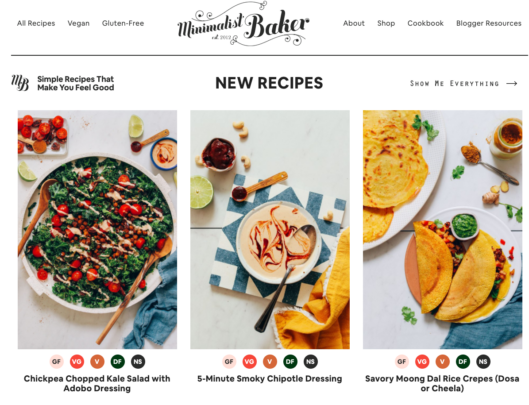
Just look at Minimalist Baker.
They are primarily a vegan-based food blog that only uses five ingredients or less for each meal.
And they have millions of visitors come to their blog for that exact type of content.
You may think that catering your blog to as many people as possible is the best way to gain traffic.
I mean, the more people you appeal to, the more people will visit – right ?
Not really. At least not the right kind of traffic.
For example, you may have an article about easy preschool crafts for children among a variety of post topics that include advancing in your career, top travel destinations and a recipe for celery soup (this is about as random as I could get).
The mom that visits for the craft ideas is going to take the information she needs and head on out.
She’s looking for toddler-related ideas and has no reason to explore the rest of your blog or even return for new posts.
Yes, that’s one visit. And you may get more visits from moms looking for craft ideas, or women looking for career advancement ideas or grannies looking for a recipe for celery soup.
Then that’s it. They come, they see, they leave and they don’t come back.
Having a blog niche is important in building a following – loyal readers who will keep coming back and share your content with others. This is the kind of traffic you want.
But we’re not here to talk about traffic. We’re here to talk about being an expert in your blog niche when you don’t know anything about your niche.
Because this is another thing a blog niche does for you: it shows your credibility and gains the trust of your readers.
And trust is a HUGE factor in making money !
So if you’re going to focus your blog on a particular niche, shouldn’t you already be an “expert” in that niche ?
Not necessarily.
Do I Have To Be an Expert in My Blog Niche?
The first thing you need to do is understand that there is a difference between being an “expert” and being knowledgeable and passionate.
More than your ability to explain things to other people, your audience is going to pick up on your passion for the topic and your want of helping others.
While it’s important to provide accurate information, readers will appreciate your experience just as much (if not more) than they appreciate expertise.
You do not have to be a world-leading expert on a subject in order to give advice. You just have to be more knowledgeable about the topic than the readers you are writing for.
I always say to be a few steps ahead of your blog audience. This is how I started Pellegrini Travel.
I naturally started having Travel bloggers come to my blog to learn the next steps to growing their blog.
And even then, there are ways to display expertise in a niche without having knowledge in a niche.
Confusing? Don’t worry. I’m going to explain that really soon.
Let your passion guide you to your blog niche. Like they said in “Field of Dreams:” “If you build it, they will come.”
5 Ways To Become an Expert In Your Blog Niche
If you find yourself passionately drawn to a topic you know nothing about gardening, social media marketing – here are some ways you can become an expert in your niche :
1. Don’t Focus on Being the “Best”
The more pressure you put on yourself to be the “best” in your blog niche, the less confidence you will have in sharing your knowledge and experience.
To be honest, there will always be people who are smarter, more skilled and more knowledgeable than you are.
Think about this way: You are (obviously) a writer. You have a blog, right? You write posts for it, right?
Who says you can’t teach other people to write good content on writing a blog as well ? You’re not J.K. Rowling but your writing experience and knowledge is valuable to other people.
Here’s another example : You are a father and have potty trained your children. You don’t have to be a leading pediatrician to help other fathers through their potty training struggles.
You don’t have to be the best in the world. You only need to be the best to your readers, who are looking to you because they lack the knowledge and experience you have.
And those people who are “better” than you in your niche ? They are your teachers – someone to look up to and learn from.
So when you’re diving into a blog niche you are not an expert in, you can still provide value and support to those who need it.
2. Do a Case Study
Case studies are helpful when you want to blog about a topic you don’t have a lot of knowledge in. They allow you an opportunity to share with your readers your journey in learning about a particular topic
For example, you may not know anything about the Keto diet but want to incorporate this way of eating into your life. You could focus your content on your journey, your struggles and your wins.
Case studies are a great way to share your process with your readers and I’ve personally used them to chronicle my learning experiences.
For instance, I did one for this site on growing a blog. I had never grown a blog before, so I chronicled my journey and detailed what I learned along the way.
I wasn’t an expert in blog growth, but framing the information I wanted to share with my learning experience gave my readers not only insight into what I learned but also a detailed guide on how to do the same – successes and failures too.
Again, it’s not about being the Lead So-and-So of your blog niche – it’s all about giving your audience valuable content that solves their problem.
3. Educate Yourself and Do Your Research
When you’re writing in a blog niche that you are not an expert in, you want to make sure you are providing true and accurate information.
An important factor in building an audience is building trust. Readers are going to better appreciate you being honest about not being an expert than trying to pull the wool over their eyes.
This advice actually bodes true for anything you write, whether you are a pro or not. No matter what message you want to share with your audience, you should always back it up by citing references.
Doing so will lend further credibility to your information.
Here are two examples:
You want to start a blog about breastfeeding having breastfed your children. You plan to draw upon your experience because you are not a lactation expert. Even though you’ve gone through it, you still want to provide your readers with access to studies to back up your information.
You are starting a blog about following the Keto diet having never done it before. You want to focus on an audience who have never tried it either by bringing them with you on your journey. Here it’s important to cite solid information so that your readers trust you are leading them down the right path.
You’re not trying to “prove” yourself – your content is not an argument against those who are skeptical of your “expertise.” You are simply being honest with your audience and admitting that you don’t have ALL the knowledge or answers.
Readers appreciate that kind of transparency.
4. Turn to the Experts
While you don’t have to be an expert to offer valuable information in your niche, you can always turn to the experts to gather more information.
And I don’t mean simply citing the work of others. Get in touch with experts, influencers, other bloggers or even friends and acquaintances that may have more knowledge and experience than you.
You can set up an interview, ask for a quote or simply pick their brains to gain information about your niche.
If you find a blog that does a good job covering topics in your niche, sign up for their newsletter. This will help you gain some “behind-the-scenes” insight into their niche and process.
Added bonus: Networking like this is not only great for increasing your knowledge about your niche but it also helps gain quality traffic to your site.
Don’t be afraid to lean on the knowledge of others to help build your level of expertise in your niche.
5. Practice Makes Perfect
Okay, so I don’t want you to get caught up in being “perfect” – there’s no such thing, even for the most successful bloggers out there.
What I’m saying is that the more you blog about your niche, the more you will gain valuable knowledge and the closer you will become to being an expert.
So, the more you write, the more content you publish and the more interactions you have online, the better you will become.
That being said, keep in mind that quality is still better than quantity. Don’t focus on pumping out a lot of content just to prove you know what you are talking about.
Instead, focus on creating well-written and thought-out pieces in a regular basis.
Use online resources, expert advise and, of course, your own experience to create valuable content readers will gravitate toward in order to gain information or solve a problem.
How Much Do You Know About Your Niche?
It may seem silly to blog about something you don’t know anything about, but being a successful blogger is a marathon, not a race.
If you’re going to dedicate yourself to growing your blog, you need to focus on something that you’re passionate about – something you find joy in writing about.
Now I want to hear from you ! How much do you really know about your niche ?


 Pellegrini Travel